
The Decline of Manual Transmissions in the Automotive Industry: Reasons and Trends
- Authors
- Published on
- Published on
In the world of cars, the manual transmission is facing a slow and steady demise, much to the dismay of enthusiasts and purists alike. Once the cornerstone of driving, manuals are now being phased out by automakers in favor of automatics for reasons ranging from convenience to cost. Brands like Volkswagen and Honda are ditching manuals, signaling a broader industry trend that's leaving gearheads in a state of mourning. The decline of manuals can be traced back to the mid-20th century when automatics started gaining traction, posing a serious challenge to the traditional stick shift.
Despite the allure of automatics, manual transmissions held their ground due to factors like driving pleasure and fuel efficiency, especially during the 1970s oil crisis. However, as time passed, the appeal of manuals waned, leading to a significant drop in their sales and availability. Today, only a handful of new cars offer manual options, with the vast majority opting for automatic transmissions. This shift is not only a result of changing consumer preferences but also regulatory hurdles and manufacturing costs that make manuals less feasible for automakers.
The future of manual transmissions hangs in the balance, with older generations playing a crucial role in passing down the skill to younger drivers. While some brands like Subaru and Porsche continue to champion manuals, the overall trend points towards an automatic-dominated future. The fate of the stick shift rests on whether enthusiasts can keep the flame alive in a world increasingly driven by convenience and cost-efficiency.
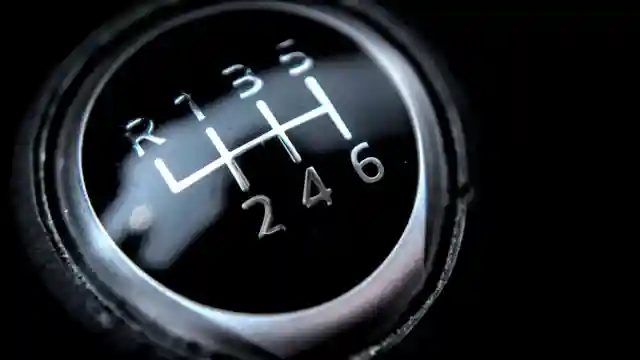
Image copyright Youtube
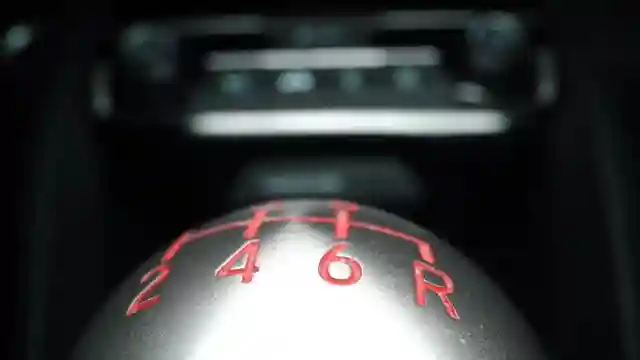
Image copyright Youtube
Image copyright Youtube
Image copyright Youtube
Watch The Death of the Manual Transmission (The Roman Report) on Youtube
Viewer Reactions for The Death of the Manual Transmission (The Roman Report)
Honda Fit was easier to buy because of its manual transmission
Some people taught themselves how to drive manual through YouTube
Manual transmissions are becoming less common, especially in Europe
Manual transmissions are favored by enthusiasts for engagement and fun
Some people feel sad about the decline of manual transmissions
Volkswagen and Honda discontinuing manuals is disappointing to some
Automatic transmissions are seen as more convenient and practical for daily driving
Learning to drive manual is seen as a valuable skill
Some regions value manual transmissions more due to driving conditions
There are concerns about the future of manual transmissions with the rise of electric vehicles.
Related Articles
The Evolution of Car Horns: From Safety Signals to Expressions of Frustration
Regular Car Reviews explores the evolution of car horns, from early echolocation to modern expressions of frustration. Discover global horn customs and the importance of responsible honking for road safety.
Exploring the Quirky Ford Focus Kona Edition: A Unique Blend of Style and Substance
Discover the unique Ford Focus Kona edition, a quirky blend of style and substance inspired by the bicycle-themed trend of the late '90s and early 2000s. With limited production and personalized modifications, this car embodies individuality in automotive design.

Furry Conventions Meet Car Shows: Unveiling Unique Automotive Crossovers
Regular Car Reviews explores the fascinating blend of furry conventions and car shows, showcasing record-breaking feats, unique vehicle setups, and customizations like turbo diesel tanks and JDM engine swaps. Discover the intersection of automotive passion and furry culture in this captivating article.
Chevrolet Cruise Review: Manual Transmission Woes and Performance Pitfalls
Regular Car Reviews critiques the 2017 Chevrolet Cruise, highlighting issues with the manual transmission, lackluster engine performance, and maintenance challenges. Despite some positives, the car falls short of expectations, emphasizing the importance of not settling for less in the automotive world.