
Maintaining Classic Cars: Challenges and Solutions
Learn about maintaining classic cars, including sourcing parts, finding mechanics, and managing costs for defunct brands.
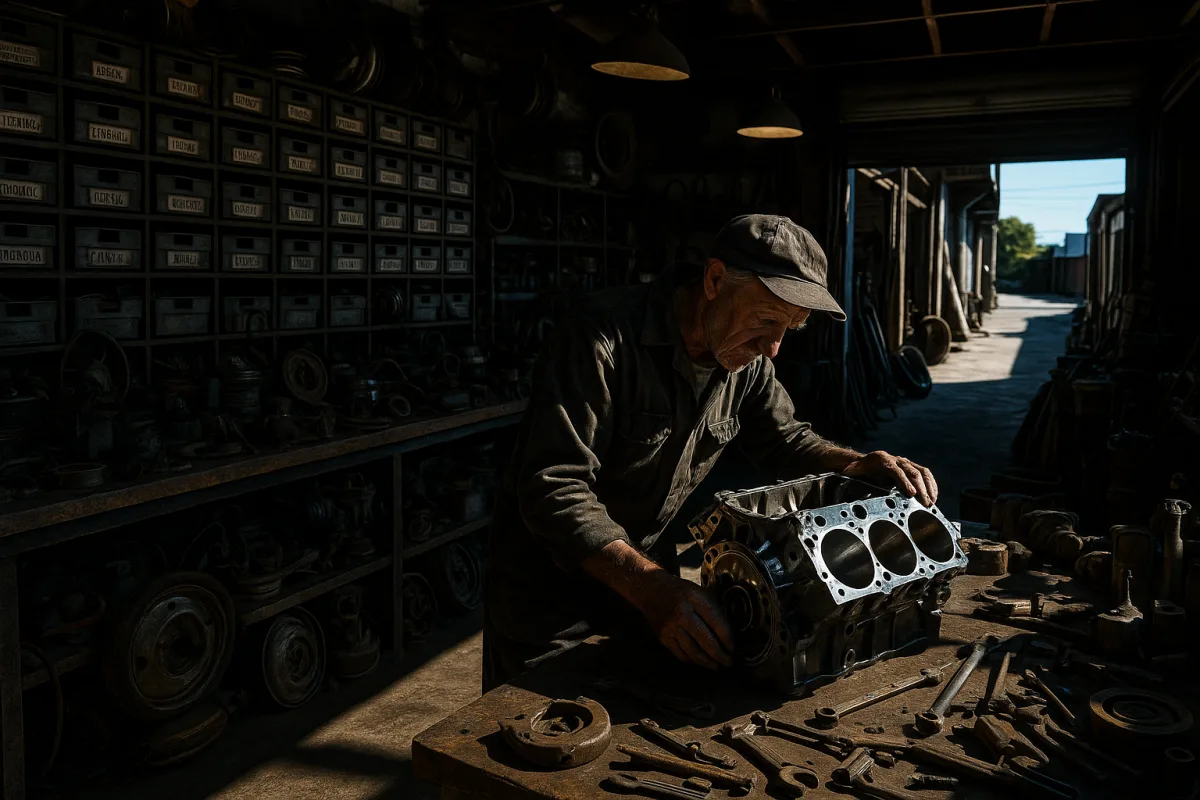
Maintaining Classic Cars: Navigating the Challenges of Defunct Brands
Owning a classic car from a defunct brand can be a deeply rewarding experience, blending nostalgia with the thrill of driving a piece of automotive history. However, as the years go by, maintaining these vehicles presents a unique set of challenges. From sourcing parts to finding qualified mechanics, the road can be rocky. This guide will explore the specific hurdles you may encounter and offer actionable strategies to keep your classic car running smoothly, particularly for those models that are no longer supported by their original manufacturers.
1. Sourcing Parts: The First Challenge
One of the most pressing issues classic car owners face is sourcing parts. When a car brand goes under, its parts supply often dries up, leaving owners to fend for themselves. Thankfully, there are solutions, but they require a proactive approach.
Utilize Specialist Suppliers: Companies like Rimmer Bros have stepped in to fill the void left by defunct brands. They provide parts for brands like MG, Rover, and Triumph. Building a relationship with such suppliers can be invaluable. If you're looking for something specific, make sure to check their inventory regularly.
Join Enthusiast Clubs: Many brands have passionate owner clubs that can be a goldmine for information and resources. For instance, the Fisker Owners Association has successfully facilitated support for its members even after the brand's collapse. These communities often have exclusive access to parts, restoration tips, and even local mechanics who specialize in those brands.
Stockpile Parts: As parts become increasingly scarce, consider purchasing useful components when you find them, even if you don’t need them immediately. Resources like online autojumble sales and auction sites can be great for finding used and new-old-stock (NOS) parts.
Interchangeability: Research which parts are interchangeable with models from surviving manufacturers. For example, many Pontiac parts were shared with other GM vehicles, which can make sourcing easier. Databases like The Wrench Monkey can help identify compatible components.
2. Finding a Qualified Mechanic
Once you have the parts, the next hurdle is finding someone skilled enough to work on your classic. A shortage of qualified technicians has become a significant issue in the automotive repair industry, particularly for older and defunct brands.
Seek Specialists: While it may be tempting to go to any mechanic, finding a specialist familiar with your car brand can save you time and money. For instance, Saab owners in the U.S. often rely on dedicated garages that understand the unique needs of these vehicles.
Network with Other Owners: Again, owner clubs can be a great resource. They can recommend trusted mechanics who have experience with your specific model. This network often knows who to avoid, which is just as important.
Educate Yourself: Understanding your vehicle’s basic mechanics can help you communicate effectively with your mechanic and make informed decisions about repairs. Online forums and manuals can provide valuable insights.
3. Managing Maintenance Costs
Classic cars can often appear to be a budget-friendly option; however, maintenance costs can quickly spiral if you're not careful. Understanding these costs and planning for them is crucial.
Regular Maintenance: Keeping up with regular maintenance can prevent costly repairs down the line. For example, changing fluids, checking brakes, and replacing worn belts can keep your vehicle in good condition. A well-maintained classic car can have lower annual maintenance costs, which can range significantly based on the model and the availability of parts.
Insurance Considerations: Classic car insurance tends to be cheaper than standard auto insurance, often falling between $200 and $600 annually. However, insurance costs for defunct brands may increase due to higher parts replacement costs and specialized repair needs. Always consult with insurance providers who understand classic cars to get the best coverage.
Budget for Repairs: According to the 2026 Used Auto Parts Price Guide, used parts can cost 40-70% less than new ones, but costs vary widely depending on the rarity of the part. Budgeting for the unexpected can save you from financial strain when repairs are needed.
4. Navigating Regulations for Restoration
Restoring a classic car often involves navigating a maze of regulations, especially if modifications are necessary to meet current emissions standards.
Know the Laws: Before beginning any restoration, familiarize yourself with federal and state regulations regarding emissions and safety standards. Some states, like California, have stringent emissions requirements that might require costly modifications.
Consult Professionals: Engaging with restoration professionals who are knowledgeable about local regulations can save you time and money. They can help you understand what permits you may need and what modifications will be necessary.
5. Building a Community
The importance of community cannot be overstated when it comes to maintaining a classic car from a defunct brand.
Online Forums and Social Media Groups: Many enthusiasts gather online to share tips, resources, and even parts. Joining platforms such as Facebook groups dedicated to your brand can provide vital support.
Participate in Events: Attend classic car shows, swap meets, and other events to connect with fellow owners. These gatherings can be an excellent opportunity to learn from others' experiences and gain insights into sourcing parts or finding mechanics.
Conclusion
Maintaining a classic car from a defunct brand is undoubtedly challenging, but it is also rewarding. By being proactive in sourcing parts, finding qualified mechanics, managing maintenance costs, navigating regulations, and building a community, you can keep your classic car on the road for years to come. Remember, the journey is just as important as the destination, and every trip in your classic car is a chance to relive automotive history. Whether you're cruising on a Sunday afternoon or participating in a local show, your passion for your classic vehicle will shine through.
Frequently Asked Questions
What are the challenges of maintaining classic cars?
Maintaining classic cars from defunct brands involves several challenges, primarily sourcing parts and finding qualified mechanics. As parts supply dwindles after a brand's closure, owners must be proactive in locating components, often relying on specialist suppliers and enthusiast clubs. Additionally, the shortage of skilled technicians familiar with older vehicles complicates repairs and maintenance.
How can I find parts for classic cars from defunct brands?
To find parts for classic cars from defunct brands, consider utilizing specialist suppliers like Rimmer Bros, joining enthusiast clubs for access to exclusive resources, and researching interchangeable parts from surviving manufacturers. Stockpiling parts when available and participating in online autojumble sales can also help in sourcing necessary components.
What should I consider when budgeting for classic car maintenance?
When budgeting for classic car maintenance, it's crucial to account for regular maintenance costs, which can prevent expensive repairs later. Additionally, consider the potential higher insurance costs for defunct brands due to parts replacement and specialized repair needs. Budgeting for unexpected repairs is also advisable, as costs for used parts can vary significantly based on rarity and availability.
How do I find a qualified mechanic for my classic car?
Finding a qualified mechanic for your classic car can be achieved by seeking specialists who are familiar with your specific brand. Networking with other owners through enthusiast clubs can provide recommendations for trusted mechanics. Educating yourself about your vehicle's basic mechanics can also help you communicate effectively with potential mechanics.
Sources
How To Live With A Car From A Defunct Brand When Parts Have Nearly Disappeared, Jalopnik
America’s Cheapest New Car To Run Is The One Almost No One Wants, CarScoops
Used Auto Parts Price Guide (2026): What Used Car Parts Cost | LiveAutoParts
Mercedes W124 500E & W116, Hardest-to-Find Parts Guide | Classic Car Parts Guide | CarSpanner
OEM vs Aftermarket Parts: Real Cost Comparison (2026) | JunkyardInventory.com
1970 Dodge Super Bee Value (2026), Real Market Data | Classic Cars Arena
How Much Are Classic Cars Worth? A Complete Price Guide for 2026 - Brass-era Models
OEC Releases U.S. General Auto Repair Shop Survey Report | Ratchet and Wrench
Rising costs to pose biggest challenge for 9 in 10 repairers in 2026 - The Motor Ombudsman
What Classic Car Insurance Covers and What It Doesnt (August 2026)
Classic Car Insurance Cost in 2026, Agreed Value Policies & Rates | InsuranceCostDB
Related Articles
Rare Exotic Car Ownership: Stories, Costs, and Restorations
Explore rare exotic car ownership stories, restoration costs, and maintenance insights for models like Ferrari, Porsche, and Toyota Supra.
Classic Car Restomods: Unique Restored and Modified Classics
Explore classic car restomods, comparing restored originals and modernized classics with insights on ownership, maintenance, and usability.
Unleashing Power: Transforming BMW Z4M Roadster with S54 Engine
Join M539 Restorations as they transform a BMW Z4M Roadster with an iconic S54 power plant. From uncovering oil leaks to upgrading to a Euro-spec exhaust, follow the journey to unleash the full potential of this automotive masterpiece.
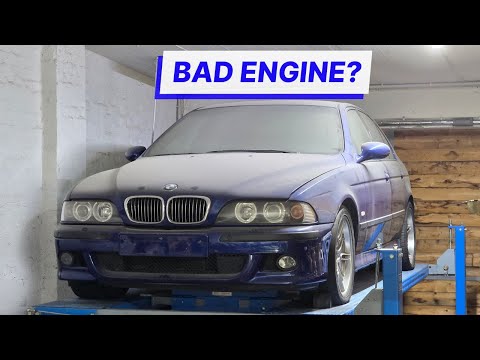
Reviving a Neglected E39 M5: Comprehensive Engine Rebuild Project
Join M539 Restorations as they revive a neglected E39 M5, uncovering engine issues and embarking on a comprehensive rebuild project.