
Scout Electric Off-Roaders
Explore Scout electric off-roaders, factory updates, model differences, and what to expect before 2028 deliveries begin.
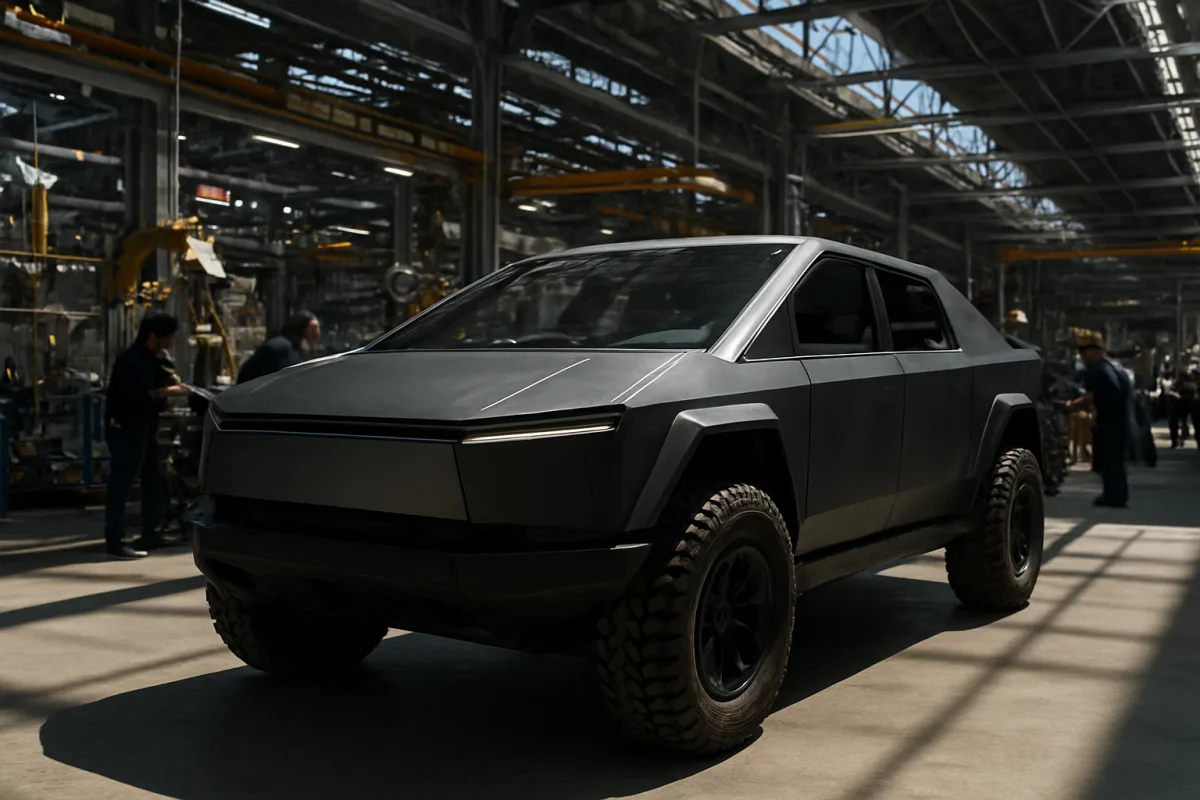
Validation trucks are now coming out of South Carolina
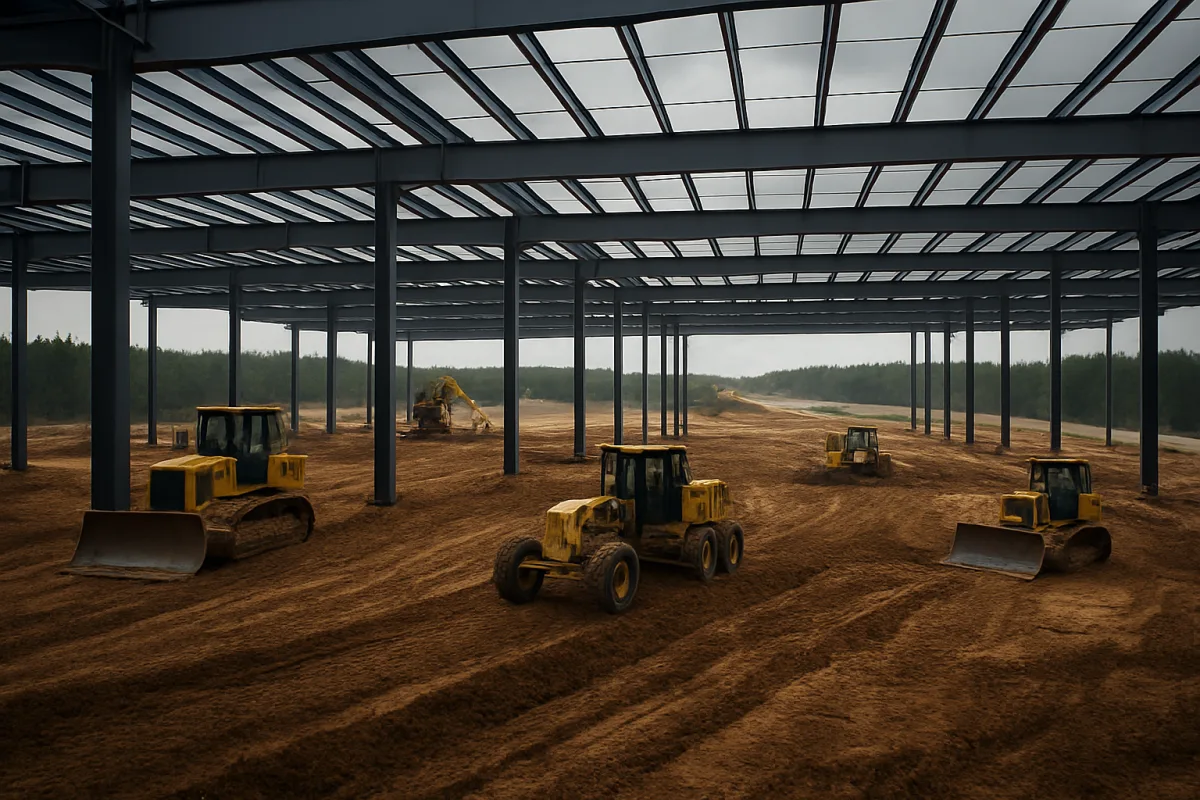
In late 2026, Scout Motors began building validation vehicles at its Blythewood, South Carolina, factory. These are not customer trucks, but they are real vehicles built to expose problems in assembly, durability testing, paint, welding, and final design before retail production begins. [7]
That is a meaningful change from renderings and concepts. Scout says its $2 billion factory is designed to build 200,000 vehicles annually, though that capacity figure is a design target, not proof that the plant will reach it quickly. [1]
The current schedule remains production in 2027 and first customer deliveries in early 2028. Scout’s own help center says the range-extended models will arrive first, beginning with the Traveler SUV, followed by the Terra pickup and then battery-electric versions. [13]
Those dates still leave a long gap between a reservation and a driveway. Startup launches regularly reveal supplier, software, tooling, and quality problems late, so a validation build is encouraging, but it is one milestone in a program with roughly another year of work.
The reservation count is large, but its composition matters more
Scout has reported roughly 212,000 reservations across the Traveler SUV and Terra pickup. The number sounds enormous, but every reservation is backed by a refundable $100 deposit, as The Drive reports, so it measures interest and not secured sales. [10]
More revealing is the powertrain split. Eighty-seven percent of reservation holders chose the Harvester range-extended electric setup, leaving only 13 percent for the battery-electric versions. [10] That preference is far stronger than the broader new-car market’s appetite for full EVs.
Scout calls Harvester an extended-range electric vehicle, or EREV. The wheels are driven electrically, while a gas engine serves as an onboard generator, intended to remove the charging and range anxiety that comes with taking a heavy off-road vehicle far from pavement.
For an owner who keeps a vehicle past its warranty, that arrangement brings tradeoffs. You retain electric drive hardware and a large battery, while also owning an engine and its oil, filters, cooling system, emissions equipment, and eventual repair needs.
Scout has not published a maintenance schedule, long-term repair pricing, or component warranty details sufficient to estimate real ownership costs. Any claim that a Harvester will be cheap to maintain, or expensive to repair, is thin until production vehicles accumulate miles.
Why the market is leaning toward the gas-assisted versions
The expected battery-electric Traveler is projected to offer up to 350 miles of range, while the Harvester is projected at more than 500 miles with a charged battery and a full gas tank. Scout has not confirmed final range figures. [2]
Scout’s Terra pickup is similarly expected to arrive as a battery-electric model and a Harvester EREV. Consumer Reports has described projected starting prices around $59,000 to $65,000 for the Terra, but final trim pricing, destination charges, and options remain unannounced. [3]
The Traveler’s projected base price is under $60,000 before options and fees, according to Scout’s published information. [2] That is the vehicle price only, not insurance, financing, home charging equipment, accessories, taxes, registration, or the recovery gear many buyers will add.
This timing explains the Harvester surge. Buyers still want electric torque and quiet low-speed trail running, but many also want to pull a trailer, run highway miles in cold weather, or make a long drive without planning charging stops around a route.
InsideEVs reports that Scout changed its launch order after Harvester demand exceeded expectations. That reaction fits a rougher EV-truck market, where high prices, towing range losses, and charging uncertainty have made buyers cautious about committing to large battery-only pickups.
Scout is drawing from Ford and Jeep first
The customer migration is unusually clear because Scout showed what reservation holders already drive. For Traveler buyers, the Ford Bronco ranks first, followed by the Jeep Wrangler and Ford F-150, with the Mustang Mach-E the highest-ranking EV in The Drive’s account.
Motor1 reported a similar pattern, placing Tesla Model Y and Model 3 owners sixth and seventh among Traveler reservation holders, while Rivian R1T drivers placed ninth. The Traveler is attracting established off-road SUV owners and current EV owners looking for more capability.
Terra reservation holders skew more toward Ford trucks. The F-150 is first, followed by the Bronco and Wrangler, while The Drive noted that Model Y owners rank ahead of Jeep Gladiator and Toyota Tacoma owners in interest for the pickup.
That is not a sales-conquest result yet. It is a reservation-holder survey from Scout, and the company has not released conversion rates by model, former brand, or powertrain. The data is still useful because two outlets reported the same basic split.
The more striking result is the vehicle split: 75 percent of reservations are for the Traveler and 25 percent for the Terra. [10] Americans may say they want trucks, but Scout’s early audience is more heavily concentrated around an enclosed, family-capable off-road SUV.
The Traveler is the better bet for most long-term owners
The Traveler is Scout’s four-door SUV, aimed squarely at Bronco, Wrangler, and Rivian R1S territory. It is the better fit if your project includes camping gear, muddy dogs, child seats, winter travel, or tools that should stay dry and locked inside.
The Terra is the pickup alternative, intended for buyers currently running an F-150, Gladiator, Maverick, or Tacoma. Its bed will appeal if you haul motorcycles, building materials, or dirty equipment often enough that an SUV cargo area becomes a compromise.
We would choose the Traveler Harvester, assuming final pricing stays close to Scout’s stated target. The reservation mix suggests it will be the volume model, which usually means better parts availability, deeper independent repair knowledge, and stronger used-buyer demand later.
We would skip placing a Terra reservation solely because it promises an electric pickup without range anxiety. Buy it only if the bed is central to how you use a vehicle, since a pickup asks you to live with exposed cargo and less secure storage.
Factory progress lowers one risk, not the ownership risks
The Blythewood factory gives Scout an advantage few startup brands have: Volkswagen backing and a purpose-built U.S. production site. Scout is still a late entrant, however, arriving after Tesla and Rivian have already spent years solving manufacturing and service-network problems.
Rivian’s R2 illustrates the pressure Scout faces below it. Rivian has introduced the smaller R2 as a crucial expansion model, while Scout is preparing larger, more specialized vehicles at higher expected prices. [8] A familiar badge and rugged design will not solve affordability.
The production ramp will also matter to your repair experience. Early vehicles can face recalls, software revisions, parts delays, and dealer or service-center bottlenecks, particularly when a company is simultaneously establishing manufacturing, direct sales, and field support.
Scout-specific resale data does not exist because no customer vehicles have been delivered. The broader EV market is not reassuring: battery repairability has become a major concern because expensive, non-repairable packs can undermine residual values, TechRadar reported. [5]
That concern applies especially to a vehicle you may keep for ten years. A battery that remains healthy is only part of the equation, because collision repair, module-level replacement, pack diagnosis, and the availability of trained service technicians determine whether it remains economical to fix.
Keep the current rig ready for a longer wait
If a Scout is your future overland or tow vehicle, spend the next year on the vehicle in your garage. Bring the cooling system, tires, brakes, suspension bushings, battery, and transmission or transfer-case fluids up to date before adding cosmetic modifications.
A clean, documented Bronco, Wrangler, 4Runner, or F-150 gives you options in 2028. You can trade it, sell it privately, or keep it until Scout proves that its production quality, service access, real-world range, and pricing meet the promise.
Do not build a financial plan around the projected sticker price. EV lending has become more cautious around battery condition, often requiring larger down payments and longer terms than comparable gas vehicles, while used-EV depreciation has been steeper than conventional vehicles. [12]
Scout has momentum because it has identified a narrow but real demand: off-road buyers who want electric driving without surrendering long-distance flexibility. The factory activity makes that demand more credible, but the ownership case will remain incomplete until production vehicles reach 60,000 miles.
Frequently Asked Questions
When will Scout electric off-roaders be available?
Scout Motors plans to begin production in 2027, with first customer deliveries targeted for early 2028. Validation vehicles are currently being built to test assembly and durability before retail production starts.
What is the difference between Scout Traveler and Terra?
The Traveler is an SUV model, while the Terra is a pickup truck. Both will be offered initially with range-extended electric powertrains, followed by battery-electric versions. The Traveler Harvester accounts for about 75 percent of reservations due to its enclosed cargo space suited for long off-road trips.
Why do most Scout reservations prefer the Harvester model?
Eighty-seven percent of reservations are for the Harvester range-extended electric vehicle, which combines electric drive with a gas engine generator. This setup offers more than 500 miles of range, reducing charging and range anxiety, especially for towing, highway driving, and remote travel.
What is the current status of Scout Motors factory production?
Scout Motors is building validation vehicles at its $2 billion factory in Blythewood, South Carolina. The plant is designed for an annual capacity of 200,000 vehicles, but full production and deliveries are expected to start in 2027 and 2028, respectively.
What are the ownership considerations for Scout electric off-road vehicles?
Scout has not published detailed maintenance schedules, repair costs, or resale forecasts. Owners of the Harvester model will need to maintain both electric and combustion engine components, but long-term ownership costs remain uncertain until production vehicles accumulate mileage.
How we researched this
This article was assembled from 6 published articles, 13 cited references.
Nothing here is based on hands-on testing. Where a figure or finding appears, it belongs to the source cited beside it, and the writing says so rather than implying otherwise. Every source is listed below so you can check it.
Sources
Scout Is Poaching Bronco and Wrangler Owners. This Data Proves It, The Drive
Scout Has 212,000 Reservations. Here's What Those Drivers Own, Motor1
Scout's New Factory Is Already Making Trucks. But You Won't Be Able To Buy One For A While, InsideEVs
Colorado Forced to Refund $1.1M in Speeding Tickets Thanks to Silly ‘Administrative Error’, The Drive
Scout's New Factory Is Already Making Trucks. But You Won't Be Able To Buy One For A While, InsideEVs
Next-Gen Honda CR-V Goes Hybrid-Only, Lands in 2027: TDS, The Drive
Volkswagen-backed Scout Motors, in nod to past, toasts start of construction of electric SUV plant
Scout Reservations Signal Nationwide Demand for Range-Extended SUVs - autonewstalk.com
How Much Does It Cost to Service an Electric Car? 2026 Ownership Breakdown | AutoEdgeView
Scout Motors Begins Building Cars, Gives Production Timeline - Kelley Blue Book
All-electric SUV specialists Rivian have launched their all-important R2 model
Here's Every Factory and Car That GM Is Idling and Canceling
Scout Reservations Reach 212,000 as Range-Extended Versions Take 87%
What Scout Traveler and Terra reservation holders drive now | Carboratory
Related Articles
Rivian R2 vs Mercedes EV Charging: Electric SUV Comparison
Compare Rivian R2 Performance and Mercedes EV charging, range, price, and features to find the best electric SUV for your needs.
New Midsize Pickup Trucks and Off-Road Builds Guide
Explore new midsize pickup trucks and learn how to build them for off-road use with expert tips on factory features and modifications.
Plug-in Hybrid Pickup Truck Comparison
Compare the Ford Ranger PHEV and BYD Shark plug-in hybrid pickups on performance, towing, off-road ability, and ownership considerations.
Audi $4 Billion U.S. Factory
Explore Audi's $4 billion U.S. factory plan, tariff impacts, production details, and political controversies surrounding the Georgia plant investment.