
New Midsize Pickup Trucks and Off-Road Builds Guide
Explore new midsize pickup trucks and learn how to build them for off-road use with expert tips on factory features and modifications.
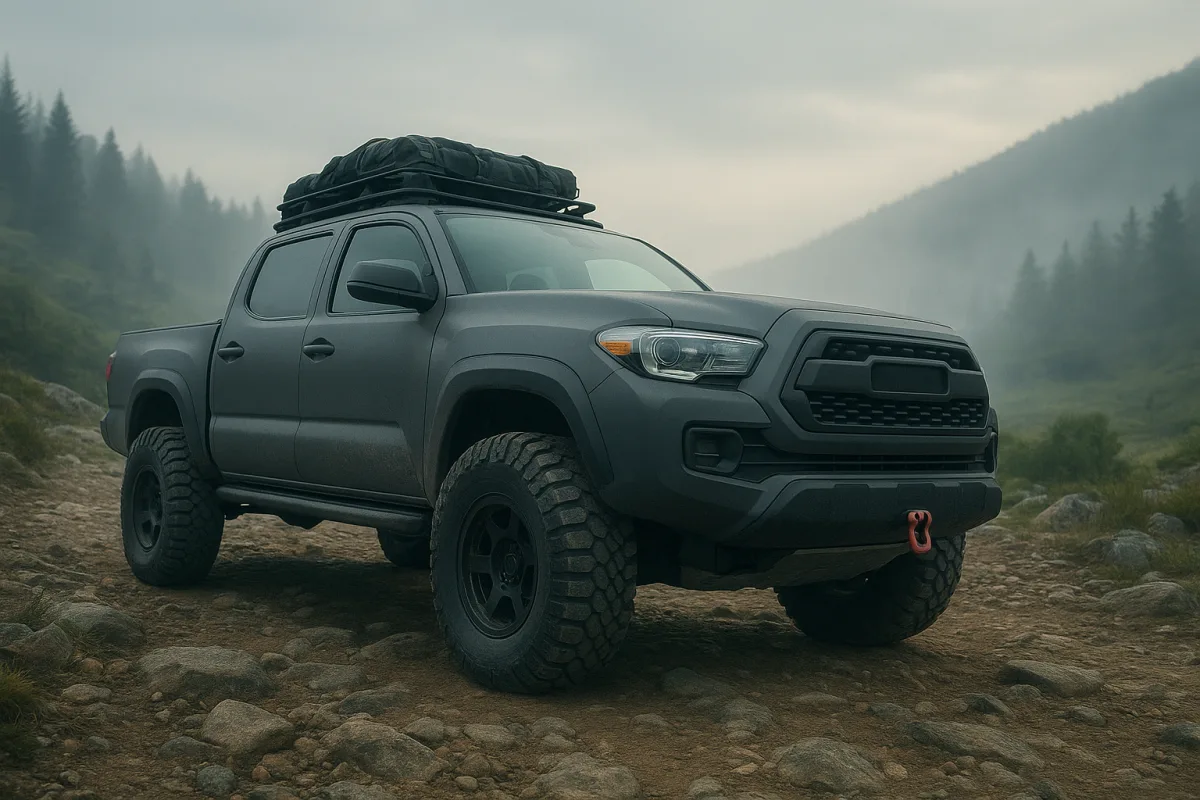
Separate Ford’s new truck from the Fathom
Ford has confirmed an affordable midsize pickup for international markets in 2027. The truck is intended for markets including Latin America and Southeast Asia, where Chinese brands have pushed established makers on price. [3]
This is not the Fathom, Ford’s separate electric pickup expected for the U.S. market, and it is not a cheaper Ranger trim. Ford says the international truck is a distinct program aimed at lower production cost. [3]
Ford CEO Jim Farley said its base material cost will be 20 percent lower than that of today’s Ranger. [3] That is a manufacturing target, not a promise that you will pay 20 percent less at the dealer.
Ford has not announced the name, factory, powertrain, payload, towing rating, cab configurations, trim levels, or base price. It also has not said whether Americans will be able to buy it. Treat every online rendering and claimed specification as speculation until Ford fills in those blanks.
We would not delay a needed truck purchase for this model alone. It may become a compelling low-cost platform, but a truck with no published service schedule, parts catalog, tire fitment, or dealer price cannot yet anchor a build plan.
Buy the factory hardware you cannot cheaply add later
A factory locking differential, low-range transfer case, underbody protection, and calibrated traction control are worth prioritizing because they are integrated into the truck when new. Retrofitting lockers and correcting the electronics afterward is expensive and often compromises warranty coverage.
The Raptor formula shows why factory suspension hardware has value. Ideal recounts how Ford’s original 2010 SVT Raptor brought Fox internal-bypass shocks, a 6.2-liter V8, and desert-ready width straight from the factory, beginning at $38,995.
Ford’s later Raptor generations also show the cost of chasing the top trim. The current Raptor R route means a supercharged 5.2-liter V8 with 720 horsepower, which is a full-size-truck answer to high-speed desert use, not the low-cost midsize formula Ford has outlined.
For most trail driving, horsepower is not the missing component. Tire grip, clearance, careful wheel placement, a usable spare, and a recovery plan will get used every trip. A 700-horsepower truck mostly raises fuel, tire, insurance, and repair bills.
Buy the factory package if you want the truck financed as a normal vehicle and serviced at a normal dealer. Add-ons can come later. A build should improve a known weak point, not imitate a halo model’s spec sheet.
Pick the right starting truck for your use
The 2026 Toyota Land Cruiser is not a midsize pickup, but it is a useful benchmark for the modern off-road family vehicle. It shares Toyota truck architecture with the Lexus GX and 4Runner, has two rows, and offers nearly nine inches of ground clearance. savagegeese reports available locking differentials and an electronically disconnecting sway bar.
The Land Cruiser’s i-FORCE MAX drivetrain is a turbocharged hybrid four-cylinder. savagegeese found it torque-forward at low speed and particularly effective with the transfer case engaged, but noted its coarse four-cylinder sound, highway noise, and less polished ride than the GX 550.
Toyota’s EPA combined estimate is 23 mpg for the 2026 Land Cruiser. [5] There is no published real-world fuel-economy figure for sustained off-road use, where low-range work, aggressive tires, cargo, idling, and steep climbs can change the result sharply.
The 1958 version sits around $60,000, while a fully equipped Land Cruiser reaches about $70,000, according to savagegeese. The lower-trim truck is where we would start, because the money saved can cover the parts that improve actual trail access.
At the higher figure, the Lexus GX 550 becomes hard to ignore, particularly for buyers who spend most miles on pavement. savagegeese found the Toyota noisier and less well damped, while the Lexus offers a more refined road experience at a similar price point.
Measure cargo space before adding equipment
Open the rear hatch before buying a fridge slide, drawer system, or stacked recovery kit. The Land Cruiser’s hybrid battery occupies part of the rear cargo area, and savagegeese found both the cargo floor and center-console storage compromised by its packaging.
This is the trap in many polished overland builds. The roof tent, drawer system, full-size spare carrier, auxiliary battery, refrigerator, water tank, and steel bumper all solve a problem, but together they take away the space and payload that made a truck useful.
Keep recovery gear where you can reach it without unloading camp. Secure the spare, jack, tire plug kit, inflator, tow strap, shackles, and basic hand tools first. A fridge can wait if it means you lose access to a flat tire.
Check the door sticker payload before installing armor or carrying passengers. Ford has not published payload or towing figures for its 2027 international truck, so do not assume that a lower-cost platform will have the reserve capacity for a heavy expedition build.
Fit tires before lifting the suspension
Tires are the first modification we would make after a few stock trail trips. savagegeese describes the Land Cruiser as already capable, with the larger gains coming once it has suitable off-road tires, and notes the substantial aftermarket around Toyota’s truck platform.
Choose an all-terrain tire if the truck spends most of its life commuting, towing, or covering wet highways. Move to a more aggressive tread only when loose rock, deep mud, sand, or repeated remote travel makes its tradeoffs in noise, wear, and fuel use acceptable.
Ford’s Raptor history is a warning against treating tire size as decoration. Ideal notes that the third-generation Raptor offered 37-inch tires from the factory, requiring Ford to alter the assembly line. That is factory-level engineering, not a casual weekend change.
Larger tires alter effective gearing, braking feel, steering load, spare-tire packaging, and suspension clearance. On a new truck, wait for published factory wheel sizes, offset guidance, and available spare location before ordering a lift kit or oversized tire package.
Add protection and recovery gear in stages
Install skid plates where the truck has exposed low points, then use them. Rock strikes, washouts, and rutted climbs can damage a vehicle long before a dramatic obstacle calls for a winch bumper or a lift.
Use rated recovery points, and know where they are before getting stuck. Avoid treating a decorative tow hook, trailer ball, or unverified bumper tab as recovery hardware. The point is controlled extraction, not making a viral failure clip.
A front winch makes sense for solo travel in places with stable anchors. It makes less sense for graded forest roads, beach access, or group trips with easy recovery options, especially when its bumper, wiring, rope, and mounting hardware add weight ahead of the front axle.
Build in stages and take notes after every trip. If you drag the same crossmember twice, protect it. If you never touch the skid plates, suspension travel, or recovery points, keep your cash and preserve the truck’s payload.
Keep the warranty, loan, and resale in view
Photograph every modification, retain receipts, record part numbers, and save alignment sheets. Modified vehicles are often difficult to finance because mainstream lenders may value them as stock trucks, decline the loan, or charge more to cover their uncertainty. [4]
Ask the lender before the work begins whether accessories can be included in the loan. Specialty lenders and manufacturer financing programs may offer a path for some buyers, but extensive documentation and a realistic vehicle valuation remain central to approval. [4]
Do not build around the belief that aftermarket parts become equity. Resale data shows model choice carries more weight than bolt-ons: iSeeCars reports five-year retained value of about 80.5 percent for the Toyota Tacoma, 74.6 percent for the Chevrolet Colorado, and 68.8 percent for the Ford Ranger. [6]
A heavily modified truck may appeal deeply to one buyer and scare away ten others. Keep the stock wheels, tires, suspension pieces, and bumpers if storage allows. Returning the truck closer to stock can broaden its market when you eventually sell.
The Jeep Gladiator needs especially cautious budgeting. Everyday Jeep reports that a Gladiator Rubicon can lose 25 to 30 percent in its first year and retain roughly 60 to 65 percent after three years. [8] Do not add $15,000 of accessories expecting the used market to return it.
Set a maintenance plan before the first trail trip
Read the service schedule for the exact engine and model year, then shorten inspection intervals after dusty, muddy, deep-water, or high-load use. Engine oil, air filtration, brakes, wheel bearings, differential fluids, and driveline joints deserve attention long before a dashboard warning appears.
The Land Cruiser’s hybrid system adds another packaging consideration. It delivers the torque character savagegeese liked at low speed, but the battery’s cargo-space penalty is permanent, and Toyota has not published off-road-specific maintenance or fuel-economy figures for this powertrain.
Use the EPA’s 23-mpg combined number as a road-use reference, not an ownership guarantee. [5] Bigger tires, roof loads, slow trail work, and frequent short drives can all move your actual consumption away from the window-sticker estimate.
We would keep a new midsize build modest until it has covered a year of normal use. Tires, recovery equipment, skid protection, and a documented maintenance routine make a truck better to own at 60,000 miles. A tall lift, heavy armor, and a financed catalog build often do the opposite.
Frequently Asked Questions
What new midsize pickup trucks are coming in 2027?
Ford has confirmed a new, more affordable midsize pickup truck for international markets in 2027, targeting regions like Latin America and Southeast Asia. This truck aims for about 20 percent lower base material costs than today’s Ranger, but Ford has not yet announced pricing, engine options, or availability in the U.S.
How to start an off-road build on a midsize pickup truck?
Begin an off-road build by upgrading tires, adding recovery points, and installing protection suited to your actual driving conditions. It is advisable to stop before adding suspension lifts, armor, or heavy accessories that can reduce payload and cargo space.
What factory off-road features should I prioritize on a midsize truck?
Prioritize factory-installed hardware such as locking differentials, low-range transfer cases, underbody protection, and calibrated traction control. These features are integrated and calibrated from the factory, making them more reliable and preserving warranty coverage compared to aftermarket retrofits.
How does the 2026 Toyota Land Cruiser compare for off-road use?
The 2026 Toyota Land Cruiser offers nearly nine inches of ground clearance, available locking differentials, and an electronically disconnecting sway bar, making it a capable off-road vehicle. Its i-FORCE MAX turbocharged hybrid four-cylinder drivetrain provides good low-speed torque, but the ride can be noisier and less refined than some competitors.
What modifications affect payload and cargo space on midsize pickups?
Adding roof tents, drawer systems, full-size spare carriers, auxiliary batteries, refrigerators, water tanks, and steel bumpers can significantly reduce both payload capacity and usable cargo space. It is important to measure cargo area before installing equipment and keep essential recovery gear accessible without compromising space.
How we researched this
This article was assembled from 2 video sources across 2 channels, 1 published article, 8 cited references.
Nothing here is based on hands-on testing. Where a figure or finding appears, it belongs to the source cited beside it, and the writing says so rather than implying otherwise. Every source is listed below so you can check it.
Sources
2026 Toyota Land Cruiser | A Truck for End Times, savagegeese
Ford's next-gen electric pickup will start at $28K and be called Fathom
Edmunds: These are the best midsize trucks for off-roading in 2026
Best Resale Value Midsize Pickup Trucks (2026) | CarResaleValue
Cost of Ownership for the Jeep Gladiator: Expenses You Should Expect | Everyday Jeep
Watch New Midsize Pickup Trucks and Off-Road Builds on Youtube
Also from the sources
Related Articles
2027 Toyota Land Cruiser vs Hyundai Palisade XRT Pro SUV
Compare the 2027 Toyota Land Cruiser and Hyundai Palisade XRT Pro for off-road capability, towing, price, and family SUV features.
2027 New SUV and Pickup Models: Features and Ownership Guide
Explore 2027 new SUV and pickup models with insights on performance, ownership costs, maintenance, and driving experience.
Off-Road and Adventure SUV Innovations for 2027
Explore key off-road and adventure SUV innovations, including the Ford Bronco RTR, Skoda Kodiaq, and tire choices for versatile use.
Military-Inspired Off-Road SUVs
Explore military-inspired off-road SUVs like the Ford Bronco Filson, Defender Wolf II, and Land Cruiser with insights on ownership and performance.