
2027 Hybrid Pickup Trucks and SUVs
Compare the 2027 Lincoln Corsair hybrid and Volkswagen Amarok plug-in hybrid pickups and SUVs on performance, ownership, and maintenance.
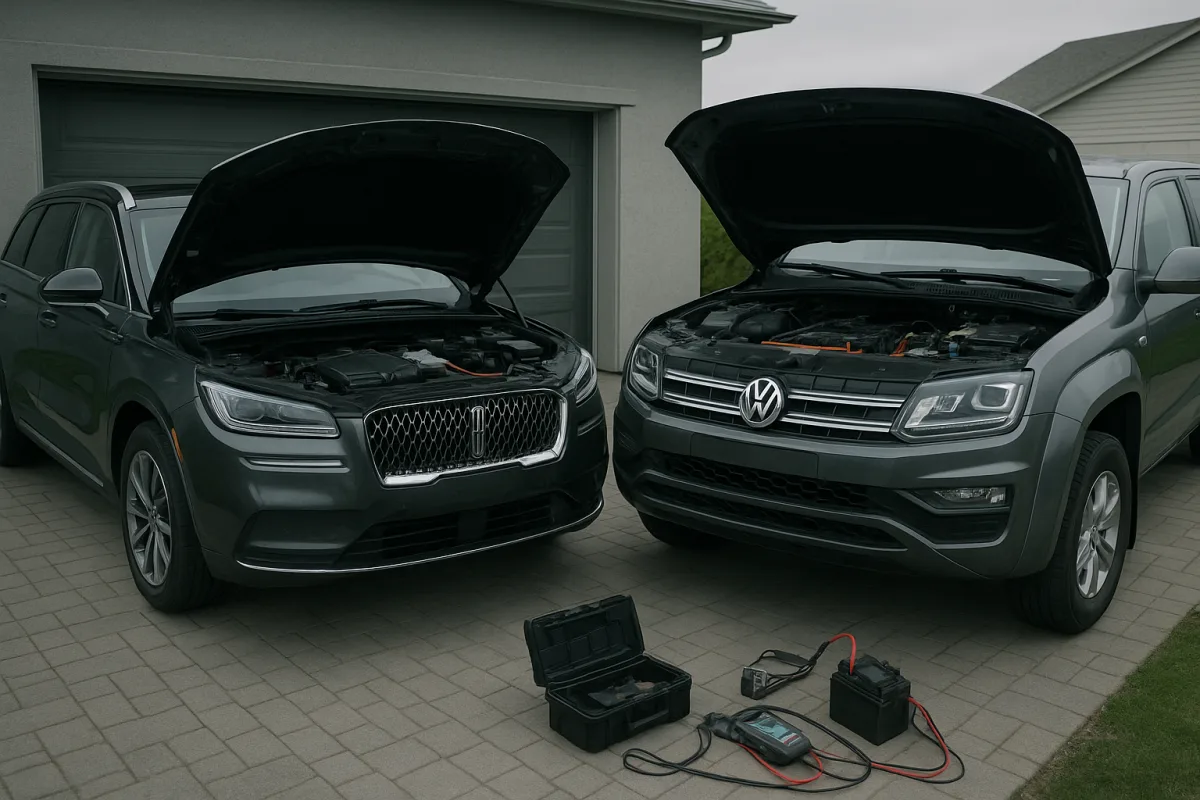
New and Upcoming Pickup Trucks and SUVs: Lincoln Corsair Hybrid vs. Volkswagen Amarok Plug-In Hybrid
As automakers pivot toward electrification and updated platforms, the 2027 model year is shaping up to be pivotal for pickups and SUVs, especially in the midsize segment where hybrid and plug-in hybrid powertrains are gaining traction. Among the noteworthy contenders, Lincoln’s revived 2027 Corsair hybrid and Volkswagen’s upcoming plug-in hybrid Amarok represent two very different approaches to electrified utility vehicles. Both are slated to launch with new technology and rugged styling aimed at key global markets, but how do they stack up beyond the spec sheets? This article compares the 2027 Lincoln Corsair hybrid and the 2027 Volkswagen Amarok plug-in hybrid head to head, focusing on real-world ownership considerations: powertrain, build and platform, service and maintenance, pricing and running costs, and market prospects.
Powertrain and Performance
The 2027 Lincoln Corsair reintroduces itself as a hybrid-only model built in China and imported to the U.S., replacing the outgoing U.S.-built 2026 model that offered non-hybrid variants. The Corsair’s hybrid powertrain pairs a 2.0-liter turbocharged four-cylinder engine with two electric motor generators, yielding a combined output of 305 horsepower and standard all-wheel drive. This is a retuned version of the system also found in the Lincoln Nautilus, down slightly by 5 hp but focused on smooth hybrid operation. While exact fuel economy figures for the 2027 Corsair are still pending, the hybrid setup is expected to improve efficiency over the previous non-hybrid base models, though the significant price increase and manufacturing shift raise questions about the overall value proposition [1][Research Brief].
In contrast, Volkswagen’s upcoming 2027 Amarok plug-in hybrid (PHEV) promises a considerably more powerful and electrified experience. Built on a Chinese-based architecture shared with the SAIC Maxus Interstellar X but heavily re-engineered in South America, the Amarok PHEV is expected to exceed 464 horsepower and deliver a stout 590 lb-ft of torque. This is a substantial jump from the current 3.0L V6 turbodiesel’s 254 hp and 427 lb-ft. The PHEV powertrain aims to combine strong combustion and electric driving, with the plug-in capability likely allowing for limited electric-only range (though exact battery capacity and range details are yet unpublished). VW executives have even compared the Amarok’s acceleration to that of a Porsche Panamera, underscoring the sporty character of the new model [5].
In terms of drivability, the Corsair’s hybrid powertrain is tuned for smooth, efficient urban and suburban driving, with standard all-wheel drive and 305 hp offering adequate performance for its segment. The Amarok PHEV, by contrast, targets buyers seeking a midsize pickup with high power, possibly for towing or hauling, alongside electrified range for short commutes or off-road silent running. The Amarok will also retain four-wheel drive and promises a robust suspension and chassis setup suited to rugged use, drawing from ladder-frame and reinforced unibody elements [5].
Build Quality and Platform Origins
The Lincoln Corsair’s 2027 iteration marks a significant shift, as production moves from the Louisville Assembly Plant in the U.S. to the Chongqing Plant in China. This change is part of a broader Ford and Lincoln strategy to optimize manufacturing costs but introduces uncertainty regarding build quality, resale value, and maintenance consistency. The Corsair shares its updated platform with the larger Nautilus, itself imported from China since 2023. While the exterior updates are subtle, larger grille integration, sharper LED taillights, and new wheel designs, the real concern lies in how the China-built Corsair will hold up long term in the U.S. market, especially given new regulatory hurdles for Chinese-built connected vehicles. The 2027 Corsair includes a refreshed interior with upgraded 24-way power seats on higher trims and Lincoln’s Blue Cruise hands-free driver assistance as standard, but the tactile and material quality remains to be assessed post-launch [1][Research Brief].
Volkswagen’s Amarok, on the other hand, is built in Argentina at the General Pacheco plant, a facility with a long history of producing Amaroks since 2010. The new Amarok rides on a sophisticated architecture developed jointly with China’s SAIC but extensively modified to meet South American durability and usage demands. This includes calibrations for heat, cold, altitude, and dust, as well as dynamic tuning for both city and off-road environments. The Amarok’s platform blends reinforced unibody and ladder frame elements to balance comfort and toughness, a layout familiar to pickup buyers who require off-road capability without sacrificing daily drivability. VW is investing heavily (around 4 billion reais) in this plant’s modernization to support electrified models, signaling confidence in local production quality and long-term support [5].
Service Intervals, Known Issues, and Reliability
At 60,000 miles, a vehicle’s maintenance profile becomes critical for owners weighing total cost of ownership. Unfortunately, specific long-term data on the 2027 Lincoln Corsair is unavailable due to its imminent launch and China production shift. However, the outgoing 2026 Corsair, built in the U.S. with a non-hybrid base, carries a 5-year estimated cost of ownership of about $63,204 (Kelley Blue Book), which includes depreciation, maintenance, fuel, and insurance. The hybrid powertrain’s complexity and China manufacturing may alter this figure, but no concrete service interval changes or known failure points have been disclosed yet. Moreover, the U.S. Commerce Department’s new Connected Vehicles Rule, effective March 17, 2025, restricts the import and sale of vehicles with China-linked software, posing potential compliance and software update challenges for the Corsair. This regulatory uncertainty could influence dealer service and warranty support [1][Research Brief][2][3].
Volkswagen’s Amarok, conversely, benefits from an established production and service network in South America, though its plug-in hybrid version is new. The existing V6 turbodiesel Amarok has proven mechanically robust, with routine service intervals around every 10,000 miles for oil and filter changes, and more comprehensive checks at 30,000-mile increments. The complexity of the PHEV system will naturally increase maintenance needs, especially regarding battery health, electric motor diagnostics, and regenerative braking system upkeep. Given VW’s investment in plant modernization and testing across challenging environments, the Amarok PHEV is likely designed for durability, but real-world reliability will only become clear after a few years on the road. Potential buyers should watch for emerging data on battery longevity and hybrid system repairs [5].
Pricing and Running Costs
The 2027 Lincoln Corsair hybrid starts around $50,000 including destination fees, approximately $8,500 more than the outgoing 2026 U.S.-built non-hybrid base model priced near $41,480. This price hike reflects hybrid technology, all-wheel drive standardization, and production in China. However, this figure does not account for additional ownership costs such as insurance, depreciation (which could be adversely affected by the China manufacturing origin), and potential regulatory compliance adjustments. No detailed total cost of ownership for the 2027 Corsair is yet available, but given the price increase and new market challenges, the Corsair may carry higher running costs than its predecessor [1][Research Brief].
The Volkswagen Amarok PHEV’s pricing has yet to be announced, but the current V6 turbodiesel model in Brazil starts at a price point competitive with other midsize pickups. The plug-in hybrid version, with its significantly increased power and electrification, will likely command a premium exceeding the $50,000 mark, especially once import duties and local taxes are considered in key markets. Running costs for the PHEV should benefit from reduced fuel consumption during electric driving phases, but EV battery maintenance and potential replacement costs must be factored in for long-term ownership. Additionally, with the federal New Clean Vehicle Credit expired after September 30, 2025, no direct U.S. tax incentives currently support plug-in hybrid pickups like the Amarok, potentially affecting affordability [5][Research Brief].
Market Position and Suitability
The 2027 Lincoln Corsair hybrid targets buyers seeking a premium compact luxury SUV with hybrid efficiency and modern tech. Its standard all-wheel drive and hybrid powertrain suit urban and suburban commuters who want Lincoln’s signature comfort and driver-assist features. However, the Corsair’s China-build origin and increased price may deter traditional buyers concerned about quality and resale value. Furthermore, regulatory barriers for Chinese-connected vehicles in the U.S. could complicate ownership and software updates. Its relatively modest power output (305 hp) and crossover form factor mean it is not aimed at rugged off-road use or heavy utility [1][2][3][Research Brief].
The Volkswagen Amarok PHEV is positioned as a midsize pickup with strong electrified performance and off-road capability. It’s the choice for buyers needing a versatile workhorse that can also serve as a family hauler, thanks to rumored plans for an SUV variant with three rows and seven seats. The substantial power and torque, combined with a plug-in hybrid system, make it suitable for towing, hauling, and traversing rough terrain where silent electric running could be advantageous. Its South American production and extensive real-world testing suggest a robust build for challenging conditions, appealing to buyers in rural or mixed-use environments. However, the Amarok’s advanced electrified system may mean higher maintenance costs and a learning curve for traditional pickup owners [5].
Conclusion: Which One to Choose?
Both the 2027 Lincoln Corsair hybrid and the Volkswagen Amarok plug-in hybrid introduce electrification into their segments but serve fundamentally different buyer needs.
Choose the Lincoln Corsair hybrid if you prioritize a luxury compact SUV with a focus on comfort, urban and highway driving, and advanced safety tech in a hybrid-only package. Be mindful of the premium price, the China manufacturing origin, and potential regulatory uncertainties that may affect long-term ownership.
Choose the Volkswagen Amarok PHEV if you need a rugged, powerful midsize pickup with plug-in hybrid capability for towing, off-road use, or mixed urban-rural driving. Its higher power output and probable versatility with an SUV variant make it a more capable work and family vehicle, albeit at a likely higher purchase price and with potential complexity in servicing.
Neither is an outright winner; instead, they reflect differing priorities and market strategies. The Corsair leans toward luxury and efficiency in a compact crossover form, while the Amarok pushes the envelope on electrified pickup performance and utility. Until more detailed ownership data emerges, especially regarding running costs, service reliability, and resale value, buyers should weigh their specific needs and market risks carefully.
Note: This analysis is based on publicly available data as of August 2026. Some specifications and pricing may change upon official launch. Neither vehicle has been personally owned or tested by this author.
Frequently Asked Questions
What are the key features of the 2027 Lincoln Corsair hybrid?
The 2027 Lincoln Corsair hybrid pairs a 2.0-liter turbocharged four-cylinder engine with two electric motor generators, producing a combined 305 horsepower and standard all-wheel drive. It is built in China and imported to the U.S., replacing the previous U.S.-built non-hybrid model. The Corsair features a refreshed interior with upgraded 24-way power seats on higher trims and Lincoln’s Blue Cruise hands-free driver assistance as standard.
How does the 2027 Volkswagen Amarok plug-in hybrid compare to the Lincoln Corsair?
The 2027 Volkswagen Amarok plug-in hybrid offers significantly higher power, exceeding 464 horsepower and 590 lb-ft of torque, compared to the Corsair’s 305 hp. Built in Argentina on a Chinese-based but extensively re-engineered platform, the Amarok targets buyers needing a midsize pickup with strong towing and hauling capability alongside plug-in electric range. It retains four-wheel drive and features a robust suspension suited for rugged use, contrasting with the Corsair’s focus on smooth, efficient hybrid driving.
Where are the 2027 Lincoln Corsair and Volkswagen Amarok built?
The 2027 Lincoln Corsair is manufactured at Ford’s Chongqing Plant in China and then imported to the U.S. The Volkswagen Amarok is built at VW’s General Pacheco plant in Argentina, a facility modernized to support electrified models and known for producing Amaroks since 2010.
What performance differences exist between hybrid and plug-in hybrid pickups in 2027?
Hybrid models like the Lincoln Corsair prioritize smooth, efficient urban and suburban driving with moderate power output (305 hp). Plug-in hybrid pickups such as the Volkswagen Amarok deliver substantially higher power (over 464 hp) and torque (590 lb-ft), combining combustion and electric power for enhanced towing, hauling, and off-road capability, along with limited electric-only driving range.
Sources
Lincoln Is Building the New Corsair in China and Shipping it to the US, The Drive
Genesis Finally Adds a Gas-Electric Option to the Lineup with the GV80 Hybrid, Road & Track
Mitsubishi Pajero Has A Debut Date But America Launch Still Undecided, CarScoops
'Multitasking' Young Buyers Are Why BMW Is Ditching Physical Buttons, Jalopnik
Volkswagen Previews Next Amarok, SUV Version Possible, Motor1
Honda Will Keep Building Manual Cars Even Though Demand Is Dying, Executive Says, The Drive
Chevrolet Camaro Crashes Off 200-Foot Cliff in Smoky Mountain National Park, Road & Track
Nissan Built 149 Altimas With Airbags Held In Place By The Wrong Bolts, CarScoops
Feds deny Polestar authorization to sell cars in US from model year 2027 - Ars Technica
Frequently Asked Questions on Electric and Hybrid Cars | GreenCars
Related Articles
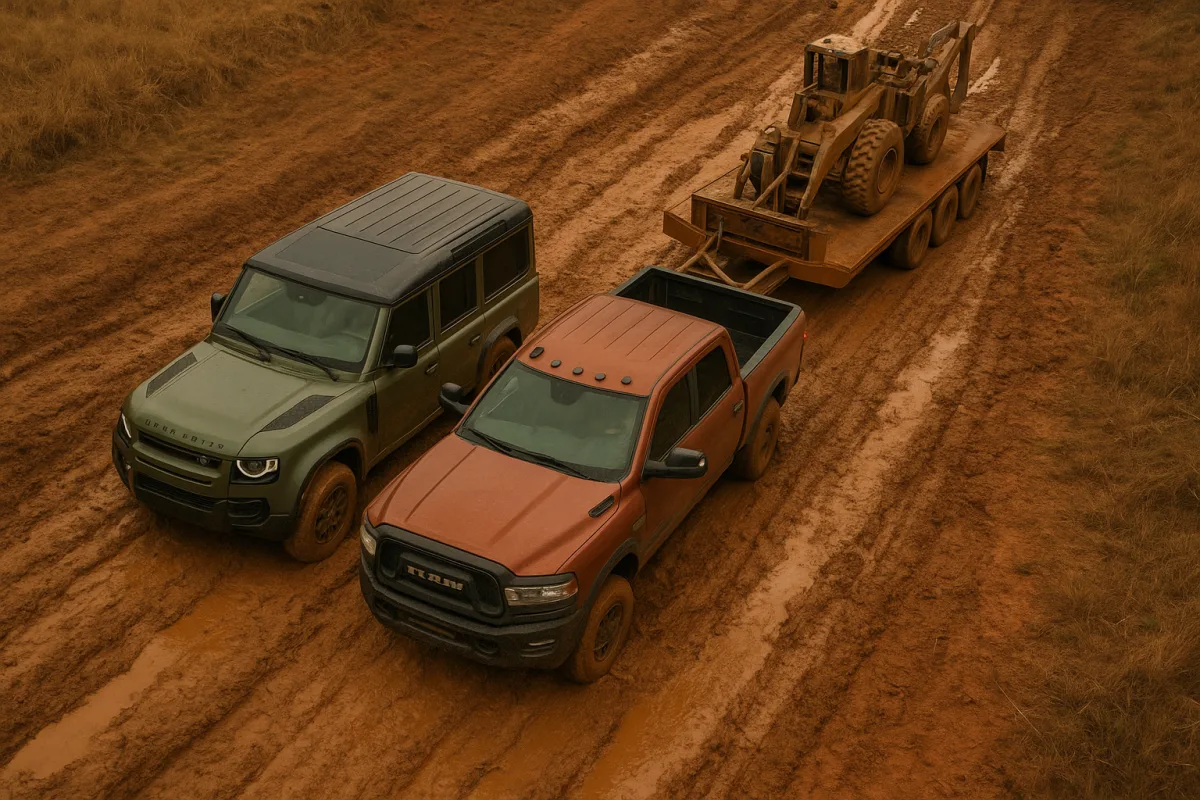
2027 Off-Road and 4x4 Vehicles Comparison: Defender vs Ram
Compare 2027 off-road and 4x4 vehicles including the Land Rover Defender and Ram Power Wagon diesel for towing, performance, and ownership.
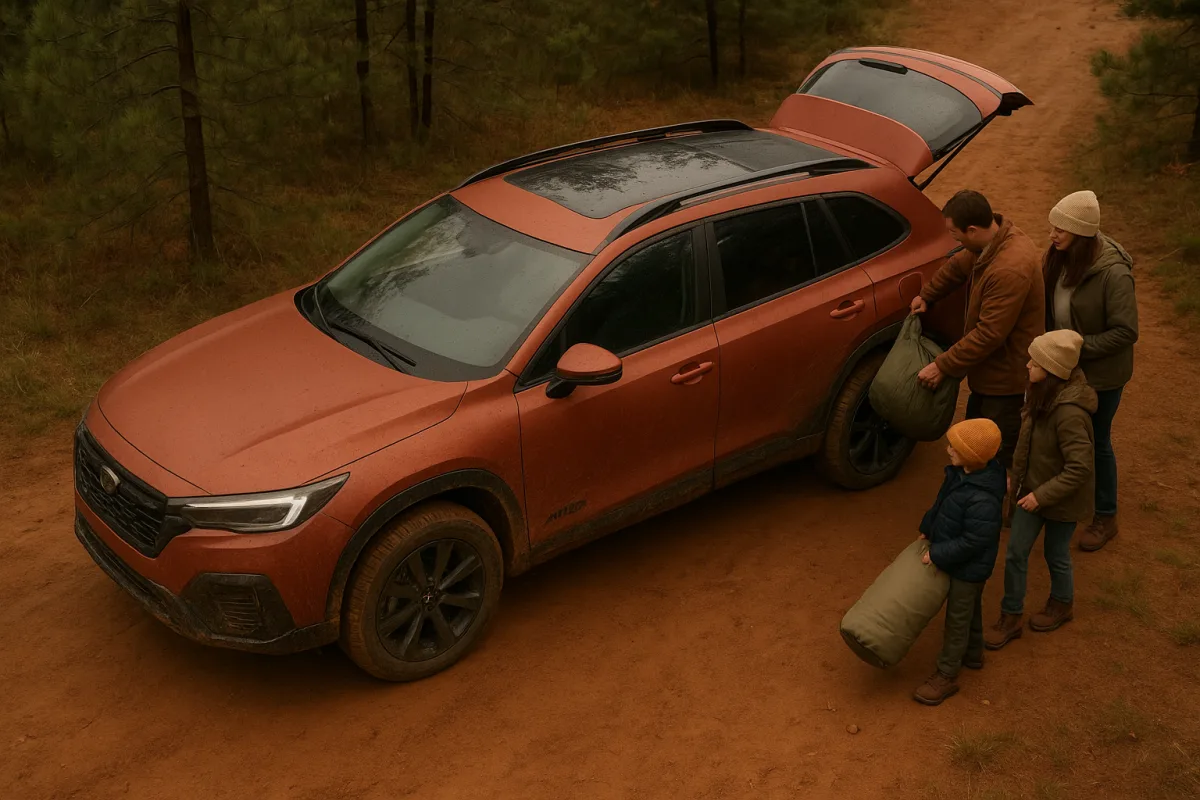
New Hybrid Off-Road SUVs: 2026-2027 Models and Features
Explore new hybrid off-road SUVs for 2026-2027, including fuel economy, AWD features, and suitability for family and light off-road use.
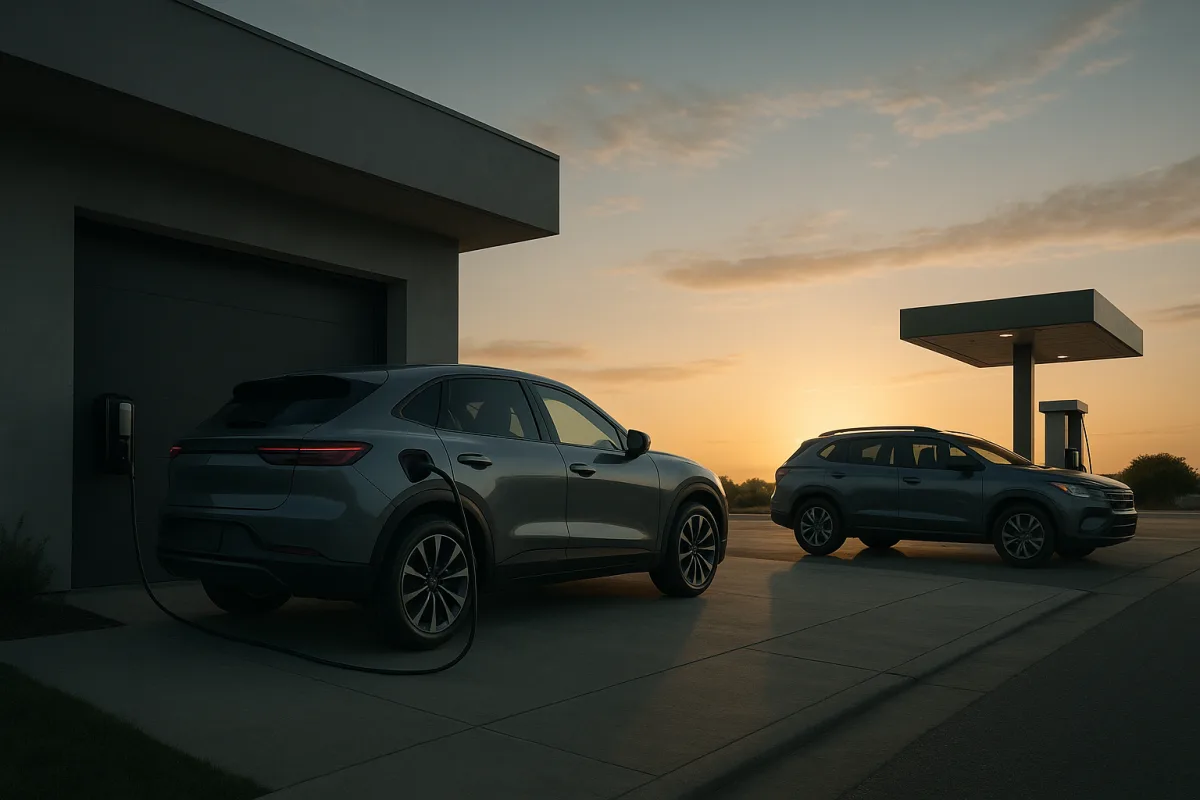
Electric and Hybrid SUV Comparison
Compare electric and hybrid SUVs with a detailed look at Tesla Model Y and Toyota RAV4 PHEV performance, ownership, maintenance, and driving experience.

New Electric and Hybrid SUVs: Reviews and Comparisons
Explore reviews and comparisons of new electric and hybrid SUVs, covering performance, ownership costs, range, and driving experience.