
Bentley Torcal Electric SUV: Specs, Charging & Ownership
Explore the Bentley Torcal electric SUV's specs, 800V charging, performance, price, and ownership insights for Bentley's first EV SUV.
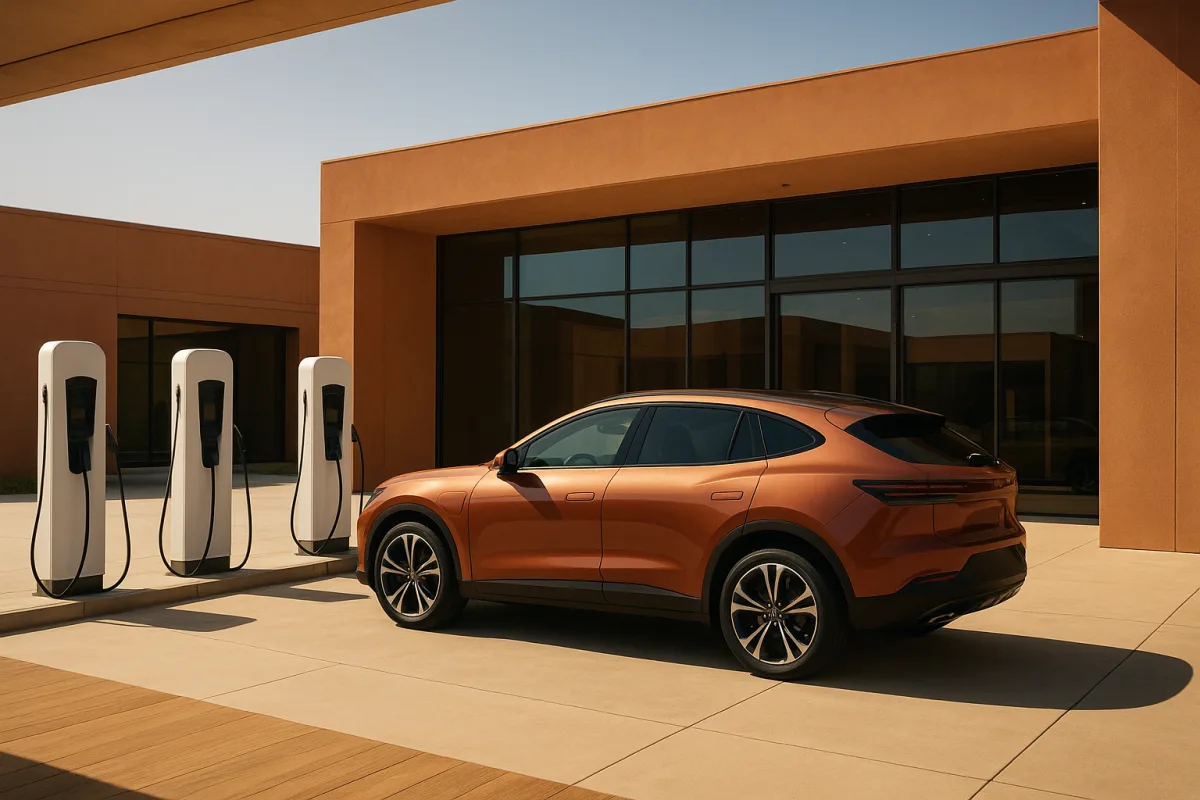
The important Torcal number is 800 volts, not 888 horsepower
The Bentley Torcal is the company’s first production EV, due as a 2028 model. That makes its quoted power figures attention-grabbing: latest reported specifications put the regular Torcal at 821hp and the Torcal S at 888hp. [4]
Those figures put it beyond every combustion Bentley on paper. The Torcal S is quoted at 0-100 km/h in 2.9 seconds and 260 km/h, while the standard car is quoted at 3.4 seconds and 250 km/h. [4]
But nobody spending six figures on an electric SUV needs telling that instant torque is available. What will shape ownership is charging, specifically the Torcal’s 800-volt architecture and Bentley’s claim of a 10-80 percent rapid charge in 16 minutes. [2][9]
Bentley shares the underlying PPE electric platform with the Porsche Cayenne Electric. Car and Driver reports a 108kWh battery and 800-volt hardware for the Torcal, while Porsche quotes a 113kWh battery for the Cayenne Electric range. [2][5]
That difference is worth noting because battery capacity figures are often misunderstood. A battery’s headline kWh number is its energy storage, roughly comparable to a fuel tank’s litres. It is not a direct prediction of range.
Range comes from usable battery capacity, vehicle weight, aerodynamic drag, tyre choice, cabin heating or air conditioning, road speed and driving style. A five-metre Bentley SUV on 22-inch wheels will need markedly more energy at 80 mph than at 50 mph.
Bentley has not yet given an official range figure for the Torcal. Some early reporting suggested 300-320 miles, but that was an estimate rather than a certified result. [2] For a car going on sale at this level, that omission matters.
By comparison, Porsche quotes 387-398 miles, or 623-640km, for the Cayenne Electric family on its 113kWh battery. [5][6] As always, those figures need treating as laboratory results rather than a promise of winter motorway range.
I have not driven or owned the Torcal, because customer cars are not yet in long-term service. Nobody can honestly tell you what one is like at 60,000 miles, or whether its battery and software age gracefully, until owners have put in that work.
How an 800-volt charging system actually changes a trip
Voltage is electrical pressure. Current, measured in amps, is the amount flowing. Charging power is the combination of the two: volts multiplied by amps equals watts.
A conventional 400-volt EV can achieve high charging power, but it needs very high current to do so. High current creates heat in cables, plugs, battery cells and power electronics. Heat is the enemy of rapid charging consistency.
An 800-volt car can deliver the same power using roughly half the current of a 400-volt system. That reduces electrical losses and heat, allowing the battery to accept greater power without making the cables impractically heavy or the hardware excessively hot.
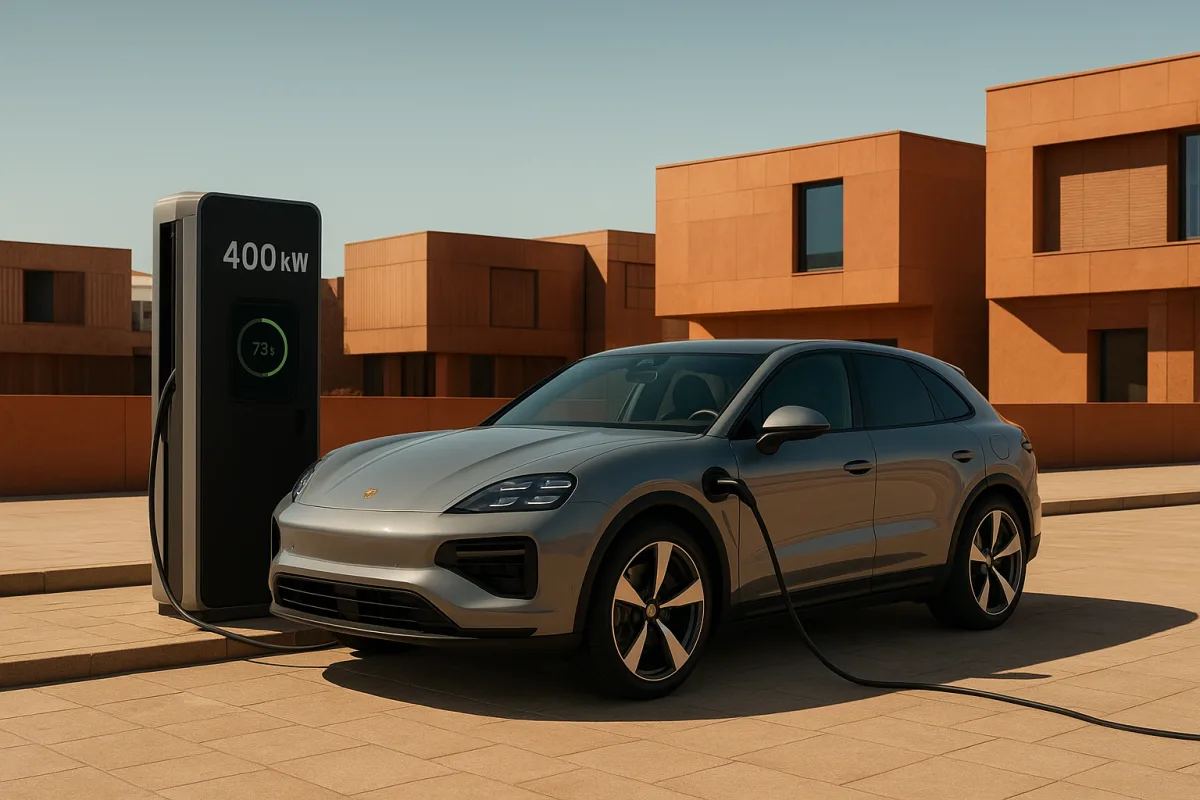
This is why the headline “400kW charging” needs context. The Torcal can reportedly use a 400kW DC connection, adding 10-80 percent charge in around 16 minutes, with 100 miles potentially added in about seven minutes. [2]
That does not mean every public charger will deliver 400kW, nor that the Torcal will accept 400kW throughout the session. Battery charging follows a curve, not a flat line.
At a low state of charge, a warm battery can accept its highest power. As the battery fills, the charging system progressively reduces power to protect the cells. That is why a 10-80 percent claim is meaningful, while a 10-100 percent time would look much less impressive.
The useful long-distance routine is therefore to arrive with a low but sensible battery reserve, rapid-charge to roughly 70 or 80 percent, then leave. Sitting at a charger to reach 100 percent usually takes disproportionately longer.
It also depends on battery preconditioning. The navigation system must know a rapid charger is the destination, then warm or cool the battery to its preferred temperature before arrival. Without that preparation, the same charger can deliver a much slower session.
This is where the Torcal’s real-world software quality will matter as much as the hardware. An 800-volt battery pack is expensive engineering. It is wasted if route planning, charger availability data or thermal management are unreliable.
The US-spec Torcal is set to use a NACS charging port, which gives it access to the North American charging ecosystem without an adapter. [2] That is helpful, but availability, payment reliability and occupied chargers still matter more than connector type.
Home charging will remain the most sensible way to own one. Public DC charging is for journeys, not for replacing an overnight routine. The precise electricity bill depends entirely on local tariffs, but charging at home is normally cheaper than buying energy from motorway rapid chargers.
Performance: Bentley’s luxury answer to the Cayenne Electric
The regular Bentley Torcal and the Torcal S are both dual-motor, all-wheel-drive SUVs. The S is the obvious choice for the buyer who wants the strongest acceleration, black exterior trim and larger standard wheels. [2][4]
The standard Torcal is likely to make more sense for someone using it primarily as a refined daily car or chauffeur-friendly family SUV. It still has 821hp according to STARNEWS, which is enough to make questions of adequacy fairly academic. [4]
There is a complication with the early power claims. Car and Driver reported 810hp for the standard Torcal and 876hp for the S, whereas the later figures reported by STARNEWS are 821hp and 888hp. [2][4]
That is the kind of discrepancy worth flagging rather than quietly choosing the bigger number. Pre-production EV outputs can be quoted in different measurement standards, or altered before production. Buyers should rely on the final market-specific specification sheet.
The Porsche Cayenne Electric range offers a broader performance ladder. Porsche lists the Cayenne Electric at 536hp and 0-100 km/h in 4.8 seconds, the Cayenne S Electric at 536hp and 3.8 seconds, and the Cayenne Turbo Electric at 1,156hp and 2.5 seconds. [5][6]
No prices for those Cayenne Electric versions were supplied in the available material, so it would be misleading to invent a price comparison. The regular Cayenne Electric suits a buyer prioritising range and less theatrical performance, while the Cayenne S Electric is the middle-ground choice.
The Porsche Cayenne Turbo Electric suits the buyer who wants the outright performance flagship. It matches the Torcal S’s 260km/h top speed but has a large power and acceleration advantage. [4][5][6]
The Bentley Torcal S suits somebody who wants almost absurd performance but prefers a cabin that feels designed as a Bentley first, rather than a Porsche with altered leather and badges. That distinction may matter more than a four-tenths advantage in a sprint.
Car and Driver says the Torcal gets active suspension, rear-wheel steering and optional carbon-silicon-carbide brakes measuring 17.1 inches at the front and 16.1 inches at the rear. [2] Those are serious hardware choices, but they will not make a heavy luxury SUV feel light.
The road will also be less impressed by the numbers than the brochure. Huge torque can be entertaining, but it is hard on tyres, and 21- or 22-inch wheels bring expensive replacements and greater pothole risk. The S has 22-inch wheels as standard, while the regular car has 21s. [2]
Luxury features, and the line between theatre and usefulness
The Torcal’s interior looks deliberately less screen-heavy than many current luxury EVs. Bentley retained physical temperature and fan controls, rotary drive controls and metal switchgear rather than turning every routine task into a touchscreen menu. [2]
That is a good ownership decision, at least in principle. Touchscreen air vents may look clean in showroom photographs, but needing to use a screen to aim airflow is precisely the sort of novelty that becomes tiresome in everyday use.
The central curved OLED display is shared in concept with the Cayenne Electric, but Bentley uses its own interface and refused to add a passenger screen. Motor1 reports that Bentley’s product-line director described such displays as technology that fails to add value. [8]
That is not simply old-fashioned resistance to screens. A J.D. Power finding cited by Motor1 says more than a third of owners with passenger screens never use them, and reported problems occurred in 21.3 per 100 vehicles fitted with them. [8]
Bentley instead spends effort on materials and atmosphere. The Torcal introduces automotive-grade merino wool, offers wood, aluminium or carbon-fibre trim, and has a dimmable panoramic roof. [2][3] The 28-speaker Naim audio system and massaging front seats are properly relevant on long days. [2]
The car’s door system is another example of luxury that could be genuinely useful or potentially troublesome. All four doors can power open and close, with sensors intended to avoid contact with obstacles. [2]
That may be pleasant when dropping passengers at a hotel, but it adds motors, sensors and control modules to a part of the car usually repaired with a hinge and a check strap. Until these cars have years of use behind them, repair durability is unknown.
Bentley has also created synthetic sounds instead of imitating a V8. The Torcal uses a drum-inspired sound profile and recorded natural sounds, with a rear external speaker for pedestrians. [2] Whether that feels tasteful or artificial is a personal call, not a performance feature.
The ownership questions Bentley has not answered
The Torcal’s UK starting price is £173,000 according to The Guardian, while US pricing is expected to be below $230,000. [1][2] That is only the starting point, not the delivered cost.
Bentley offers options including the Bright Design Specification, 22-inch Turbine wheels and polished grille detailing. [3] Taxes, registration, insurance, finance charges, accessories and dealer-installed items sit outside a headline starting price.
There is no Torcal-specific evidence yet of dealer markups, lease residuals or finance rates. Any claim that buyers will definitely pay a premium, or definitely receive a discount, is guesswork until real transactions begin.
US federal EV purchase credits expired in September 2025, so a Torcal buyer should not expect a $7,500 federal incentive. [14] European incentives remain available in every EU member state, but the form and value vary by country. [15]
Maintenance should be lower in some routine areas. There are no engine oil changes, spark plugs, exhaust systems, turbochargers or multi-speed automatic transmission services. Regenerative braking can also reduce brake-pad wear in gentle use.
That does not mean maintenance-free. Bentley has not disclosed a Torcal-specific battery maintenance programme or replacement cost. [11] At 60,000 miles, owners will want evidence on battery health, cooling-system servicing, suspension reliability, tyre wear and software support.
Insurance may also be less forgiving than the absence of an engine suggests. EV repairs can involve high-voltage safety procedures, specialist body shops and expensive battery-case inspections after impacts. Luxury EV insurance premiums are often higher than comparable petrol-car premiums. [12]
Depreciation is the final unknown. EV values can fall quickly when newer battery technology, better range or subsidised new-car leases arrive. [12] The Torcal’s limited production and Bentley badge may help, but neither guarantees a predictable used value.
Bentley has spent £350 million adapting Crewe for EV production, according to Autocar. [3] It has also stepped back from its previous all-electric-by-2030 plan, keeping combustion and plug-in-hybrid models in the range as demand and regulation evolve. [3]
That makes the Torcal less of an all-or-nothing replacement for the Bentayga, and more of a new choice for buyers who can charge at home and value silent, effortless performance. For everyone else, the unanswered range and long-term-cost questions are still the story.
Frequently Asked Questions
What are the key features of the Bentley Torcal electric SUV?
The Bentley Torcal is the brand’s first production EV, featuring an 800-volt electrical system and a power output of up to 888 horsepower in the Torcal S model. It emphasizes cabin craftsmanship and rear-seat luxury rather than outright performance dominance. The SUV shares its underlying PPE electric platform with the Porsche Cayenne Electric and offers rapid charging capabilities.
How fast can the Bentley Torcal charge with its 800-volt system?
The Torcal’s 800-volt architecture enables a rapid charge from 10 to 80 percent in about 16 minutes. This higher voltage system reduces heat and electrical losses during charging, allowing for shorter and more consistent charging stops on long trips compared to conventional 400-volt EVs.
What performance does the Bentley Torcal offer compared to Porsche Cayenne Electric?
The Torcal S delivers 888 hp with a 0-100 km/h time of 2.9 seconds and a top speed of 260 km/h, which is close to the Porsche Cayenne Turbo Electric’s 1,156 hp, 2.5 seconds, and 260 km/h top speed. However, the standard Torcal is quicker and more powerful than the base Cayenne Electric models but not as fast as the Turbo Electric. Bentley focuses more on luxury and comfort rather than outright performance.
What is the expected price of the Bentley Torcal electric SUV?
The Bentley Torcal is priced from around £173,000 in the UK and is expected to cost under $230,000 in the US before options, taxes, and dealer fees. Pricing may vary depending on optional packages and dealer markups, but no specific details on dealer markups for the Torcal are available yet.
What should owners expect regarding maintenance and running costs of the Bentley Torcal?
Although the Torcal has no oil changes, owners should not expect low running costs. Expenses such as tyres, insurance, depreciation, body repairs, and public rapid charging can dominate the total cost of ownership. Bentley has not published details on battery maintenance schedules, leaving some uncertainty about long-term upkeep.
How we researched this
This article was assembled from 1 video source, 8 published articles, 16 cited references.
Nothing here is based on hands-on testing. Where a figure or finding appears, it belongs to the source cited beside it, and the writing says so rather than implying otherwise. Every source is listed below so you can check it.
Sources
New Torcal is the most POWERFUL Bentley EVER! However… — carwow
2028 Bentley Torcal: Crewe’s First EV Looks Meaner Than a Bentayga and Makes 235 More HP — The Drive
Anti-Luce: Bentley plays safe for first EV - but Torcal must succeed — Autocar
2028 Bentley Torcal Is a Boldly Styled EV SUV for Wealthy Folks — Car and Driver
The Nissan Z Kaze Concept Is Full-Blown 1990s T-Top Nostalgia — Road & Track
Nissan Z Kaze Concept Brings Back The T-Top And A Flair For ’90s Tuning — CarScoops
Here's How My 15-Year-Old Porsche Cayenne Held Up To 10,000 Miles Of Driving In 16 Days — Jalopnik
Bentley Says No To Front Passenger Screens: 'Technology Has To Add Value' — Motor1
Bentley scraps electrification timeline for new flexible approach — Autocar
2028 Bentley Torcal Is a Boldly Styled EV SUV for Wealthy Folks
"Unveiled": Bentley Motors Reveals Brand's First All-Electric SUV, 'Torcal' | STARNEWS
Exploring the limits of the new Porsche Cayenne Electric in Spain
Bentley Torcal: What to Know About the Luxury Brand’s First Fully Electric Car | Yoopya News
Used EV Prices Are Falling - Here's How They Compare to Gas Cars Now
Here's the Torcal, the first fully electric Bentley - Ars Technica
Is There Still a Federal Tax Credit for Electric Cars? - LegalClarity
Tariffs on electric vehicles avoided as UK and EU extend trade rules - GOV.UK
Watch Bentley Torcal: Bentley’s First Electric SUV on Youtube
Related Articles
2027 Porsche Cayenne Electric Charging and Performance EVs
Explore the 2027 Porsche Cayenne Electric's 400 kW charging, performance specs, and what it means for real-world EV ownership and driving.
Bentley Torcal Electric SUV Ownership and Maintenance
Explore Bentley Torcal electric SUV ownership, maintenance, and driving experience insights for the 2028 model.
Electric Vehicle Range Tests and New EV Developments
Explore electric vehicle range tests, efficiency, and new EV developments to understand real-world performance and ownership factors.

2027 Electric SUVs: Volvo EX60, Porsche Cayenne & EV Tech
Explore 2027 electric SUVs like the Volvo EX60 and Porsche Cayenne, plus key EV tech advances and ownership insights.