
2027 Mid-Size Family SUV Comparison
Compare 2027 mid-size family SUVs like the Kia Telluride and Volkswagen Atlas on performance, space, fuel economy, and features to find your best fit.
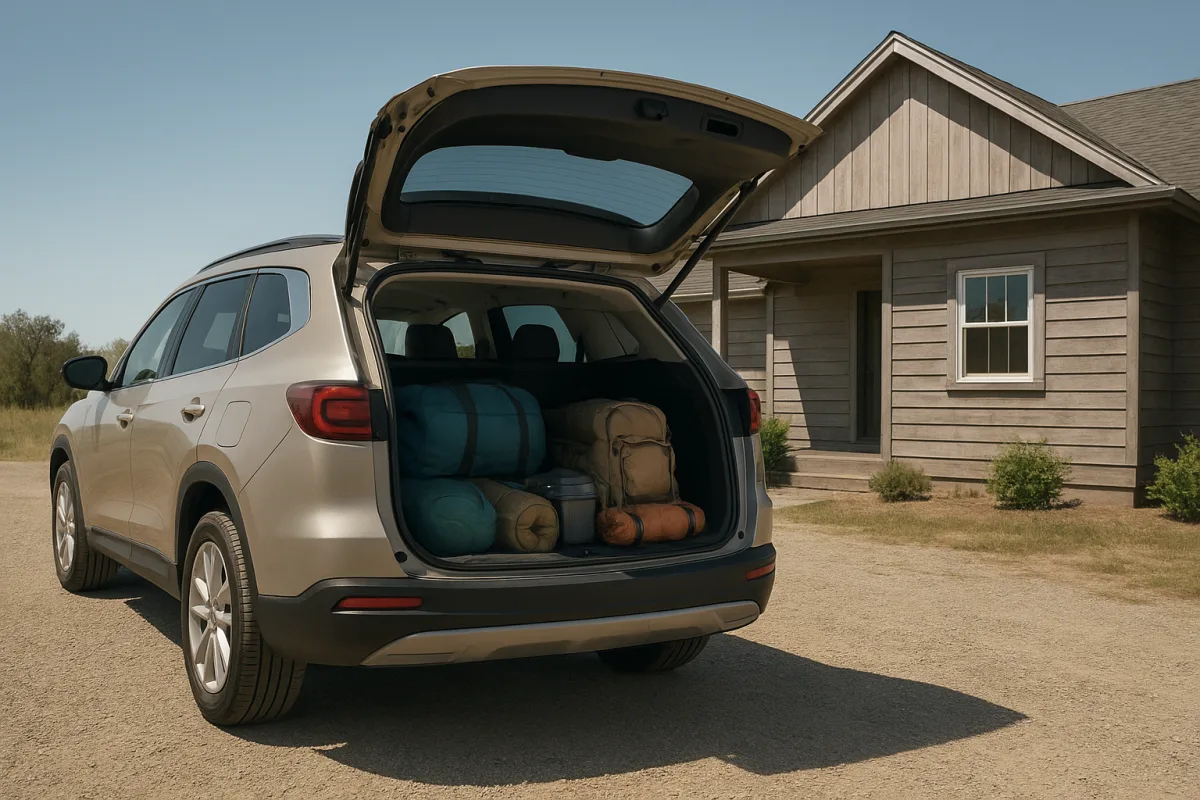
The decision: 2027 Kia Telluride X-Pro versus 2027 Volkswagen Atlas R-Line
This is a comparison between loaded, all-wheel-drive versions of two three-row family SUVs: the 2027 Kia Telluride X-Pro SX Prestige AWD and the 2027 Volkswagen Atlas SEL Premium R-Line 4Motion. Both are expensive trims, not the versions most families will lease cheaply.
The choice is not about which has the more impressive brochure. They are similarly sized, similarly powered, and unusually well equipped. The question is whether the Kia’s relaxed road manners outweigh the Volkswagen’s stronger cargo packaging and sharper responses.
I have not driven either new 2027 model, so the driving judgments here rest on Car and Driver’s back-to-back instrumented comparison and other published reporting, rather than a claim of personal seat time. The more useful ownership question, especially with two all-new or heavily updated models, is what is known and what still is not.
| Criterion | 2027 Kia Telluride X-Pro SX Prestige AWD | 2027 Volkswagen Atlas SEL Premium R-Line 4Motion |
|---|---|---|
| Price | $58,335 before the tested car’s $995 matte paint and $250 mats, for a $59,580 as-tested figure. Whether the quoted base figure includes destination is not clear in the supplied comparison. | $56,610 MSRP plus $1,525 destination, or $58,135 before options. Captain’s chairs and mats took the comparison vehicle to $59,126. [[1]](https://www.cars.com/research/volkswagen-atlas-2027/specs/487195/?utm_source=openai "2027 Volkswagen Atlas Specs, Dimensions & Colors |
| Engine and transmission | 2.5-liter turbocharged four-cylinder, 274 hp, eight-speed automatic, AWD. | 2.0-liter turbocharged four-cylinder, 282 hp, eight-speed automatic, AWD. |
| Real-world pace | 0-60 mph in 7.5 seconds in Car and Driver testing. It is adequate, but delayed throttle response can make short merging moves feel less decisive. | 0-60 mph in 7.6 seconds, but quicker in the 5-60 mph test. It feels more alert in normal urban driving. |
| Ride and refinement | Softer-riding and quieter at 70 mph in Car and Driver’s testing, despite its all-terrain tires. | More controlled and athletic feeling, but the 21-inch wheels can make broken pavement feel brittle. |
| Fuel economy | Manufacturer estimates are 17 city, 22 highway, and 19 mpg combined for the turbo model. Official EPA figures remain pending. | EPA combined estimate quoted at 23 mpg in Car and Driver’s comparison. |
| Three-row space | Slightly roomier-feeling second row. Adults can fit in all rows, though the higher rear floor leaves third-row passengers with a more knees-up posture. | Marginally better third-row comfort, with adult-usable space when the second-row chairs are adjusted thoughtfully. |
| Cargo room | 22 cubic feet behind the third row, 49 with the third row folded, and 89 with both rear rows down. | 21 cubic feet behind the third row, 56 with the third row folded, and 95 with both rear rows down. |
| Cabin controls | Easier physical and haptic shortcuts for climate, media, and navigation. The 12.3-inch displays are not as dramatic as the VW’s screen, but the layout is less distracting. | A 15.0-inch center screen brings a more modern visual impression, although the interface still asks more of the driver. |
| Tow rating | 5,000 pounds with the turbo engine. The optional hybrid sacrifices capacity, rated at 4,500 pounds. | No towing figure was supplied for this exact 2027 Atlas specification, so buyers should verify the rating on the window sticker and owner documentation before ordering a trailer. |
| Off-pavement equipment | X-Pro adds 1.7 inches of ground clearance, a limited-slip rear differential, recovery hooks, a ground-view camera, and 18-inch all-terrain tires. | Standard suspension and 21-inch all-season tires on this Premium R-Line model. It is the less convincing choice for rough tracks. |
| Known ownership outlook | No meaningful 2027 reliability or depreciation data exists yet. Kia’s strong Telluride demand suggests healthy resale, but that is not the same as a measured five-year value forecast. | No 2027 reliability data is available. Historical Atlas data suggests about 51.5 percent depreciation over five years, leaving an estimated $20,167 resale value for the model analyzed by iSeeCars. [2] |
| Safety and driver assistance | The Telluride has been associated with five-star NHTSA and IIHS Top Safety Pick results, but the detailed 2027 specification requires confirmation. | A five-star NHTSA rating is reported for the Atlas, though IIHS results vary by trim and complete 2027 driver-assistance details are still incomplete. [[1]](https://www.cars.com/research/volkswagen-atlas-2027/specs/487195/?utm_source=openai "2027 Volkswagen Atlas Specs, Dimensions & Colors |
Price: close enough that the monthly payment may decide it
The Atlas starts at $58,135 including destination for this SEL Premium R-Line 4Motion specification. That is not a transaction price, and there is no dependable reporting yet on 2027 Atlas discounts, dealer markups, or typical lease support. [1]
Car and Driver lists the comparable Telluride X-Pro SX Prestige AWD at $58,335 before its test vehicle’s paint and accessory charges. Its $59,580 as-tested total was only $454 beyond the VW’s $59,126 comparison vehicle.
That is close enough that the real answer will be inventory, finance terms, and which options you genuinely need. Do not compare a discounted Atlas SE with a fully loaded Telluride X-Pro and conclude one brand is cheaper.
The Range Rover Sport belongs here only as a performance-luxury alternative, not as a direct value rival. It starts at $85,550 for the 2027 SE P360 and stretches to $172,050 for the SV Carbon, before taxes, registration, insurance, and options.
Powertrain and fuel: the Volkswagen is keener, the Kia has a hybrid escape route
Both comparison cars use turbocharged four-cylinders and eight-speed automatics, not six-cylinder engines. The Atlas has 282 horsepower, just eight more than the Telluride’s 274 hp, so neither has a meaningful numerical advantage on paper.
On the road, published testing finds the Atlas more responsive in ordinary traffic. It was 0.7 second quicker from 5 to 60 mph, the sort of measurement that better reflects a rolling merge than an idealized launch-control 0-60 time.
The Telluride matched it closely at full throttle, reaching 60 mph in 7.5 seconds against 7.6 for the Atlas. The Kia’s issue is its initial hesitation when the driver asks for a modest gap-closing burst rather than flooring it.
Fuel economy is the more significant difference over several years. The turbo Telluride is estimated at 19 mpg combined, while the Atlas is quoted at 23 mpg combined. Kia’s official EPA figures for the new model remain pending, so treat its published estimates carefully.
Kia also offers a 329-hp Telluride hybrid rated at an estimated 31 mpg combined. The research brief estimates roughly $750 annual fuel savings and $3,750 over five years versus the turbo model, although it lowers towing capacity from 5,000 to 4,500 pounds.
If fuel costs matter more than off-road styling, the hybrid deserves a serious look. If you tow a medium-size boat or camper near the limit, the standard turbo model’s extra 500 pounds of capacity is more useful than the hybrid’s better fuel figure.
Ride, noise, and the part that matters after six hours
This is where the Kia pulls ahead. Car and Driver measured 67 decibels at a 70-mph cruise in the Telluride and 69 in the Atlas, a small-looking gap that can make a real difference to conversation and fatigue on a long motorway day.
The Telluride also rides more fluidly. Its X-Pro all-terrain tyres hurt braking and cornering numbers, but they do not turn it into a harsh pseudo-off-roader. It remains the better choice for poor surfaces, sleeping children, and repeated long trips.
The Atlas is not uncomfortable, but its 21-inch wheels and tauter setup appear to be the weak point. The published comparison suggests the standard 20-inch wheels on a lower R-Line trim may be the more sensible ownership specification.
The Volkswagen has better braking and skidpad results, stopping from 70 mph in 165 feet versus 182 feet for the Kia, and pulling 0.84 g rather than 0.76 g. That does not make it a sporting SUV, but it feels more tied down.
Family packaging: the Atlas wins the load-space argument
Both SUVs can carry adults in all three rows, which is the real dividing line between these and many nominally three-row crossovers. The Kia has 158 cubic feet of passenger space, only four more than the Atlas in the supplied comparison.
The Telluride has a slightly airier second-row experience. The Atlas’s third row is more comfortable, however, because its rear floor position asks less of an adult passenger’s knees and hips.
With all seats raised, the Kia’s 22 cubic feet behind row three narrowly beats the Atlas’s 21. Fold that third row, though, and the Volkswagen opens up 56 cubic feet against 49, then 95 versus 89 with both rows folded.
That makes the Atlas the better practical answer for airport runs, flat-pack furniture, sports equipment, and the occasional need to carry more cargo than people. It is not a dramatic gulf, but it is repeatable utility.
Cabin usability and long-term unknowns
The Kia’s twin 12.3-inch display arrangement is less theatrical than the Atlas’s 15-inch central screen, but the Telluride’s physical and haptic controls are easier to use without taking attention from the road. That matters more at 60,000 miles than a clever light show.
The Atlas counters with nappa leather, attractive illuminated trim, and a more upscale visual atmosphere. Its updated interface is reportedly improved, but the multifunction rotary controller and screen-heavy layout remain more idiosyncratic than the Kia’s approach.
Neither vehicle has enough 2027-specific reliability data to make a responsible long-term prediction. There are no established maintenance-cost comparisons, no confirmed recurring-failure patterns, and no reliable resale figures for these exact new models.
That uncertainty matters. The previous Atlas’s estimated five-year depreciation of 51.5 percent is a warning to price the Volkswagen carefully, not proof that the redesigned 2027 vehicle will follow exactly the same curve. [2]
A buyer intending to keep either SUV beyond its warranty should ask the dealer for the exact maintenance schedule, brake and tyre costs for the chosen wheel size, and the price of extended coverage. Neither is yet old enough for internet folklore to substitute for evidence.
Who each option suits
Choose the 2027 Kia Telluride X-Pro SX Prestige AWD if you want the more restful family vehicle. It suits frequent road trips, rougher rural roads, modest trail access, and drivers who value a quieter cabin and simple controls over maximum cargo volume.
It falls down for buyers expecting crisp turbo response or strong fuel economy from the standard engine. The hybrid improves the fuel story substantially, but its 4,500-pound tow rating makes the turbo model the better fit for regular heavy towing.
Choose the 2027 Volkswagen Atlas SEL Premium R-Line 4Motion if your family life involves more luggage, bulkier gear, and regular use of the third row. It suits drivers who want a more responsive feel in town and do not mind a firmer, busier ride.
It falls down on poor pavement, where its 21-inch-wheel setup is likely to be tiring, and its long-term value picture remains uncertain. The historical depreciation data alone makes it worth negotiating hard rather than paying a premium for an early example. [2]
Choose the 2027 Range Rover Sport only if luxury, image, and stronger performance matter enough to justify entering a very different cost bracket. Its advanced off-road and driver-assistance equipment are appealing, but the high purchase price, steep historical depreciation, and known air-suspension, gearbox, and electronics concerns demand a larger repair reserve.
For the ordinary family-SUV decision, the Kia is the better all-round recommendation. The Atlas is not a loser, though. It is the better answer for buyers who genuinely need its extra folded-seat cargo space and prefer a more alert character behind the wheel.
Frequently Asked Questions
Which 2027 mid-size family SUV offers better cargo space?
The 2027 Volkswagen Atlas SEL Premium R-Line 4Motion provides more cargo space with 21 cubic feet behind the third row, 56 cubic feet with the third row folded, and 95 cubic feet with both rear rows down. The 2027 Kia Telluride X-Pro SX Prestige AWD has 22 cubic feet behind the third row, 49 cubic feet with the third row folded, and 89 cubic feet with both rear rows down. The Atlas offers more room especially when folding down the rear seats.
How does the 2027 Kia Telluride compare to the Volkswagen Atlas?
The Kia Telluride is quieter and offers a softer ride, making it better suited for calm, long-distance family driving with straightforward controls and off-road capability. The Volkswagen Atlas has a firmer, more athletic ride, quicker throttle response, and better cargo and third-row space, appealing to buyers who frequently use all seating and cargo areas. Pricing for similarly equipped models is close, so choice depends on priorities like ride comfort versus utility.
What are the fuel economy differences between 2027 family SUVs?
The 2027 Kia Telluride X-Pro turbocharged model is estimated by the manufacturer to achieve 17 mpg city, 22 mpg highway, and 19 mpg combined. The 2027 Volkswagen Atlas SEL Premium R-Line 4Motion is quoted at a 23 mpg combined EPA estimate. Thus, the Atlas offers slightly better fuel economy in combined driving.
What are the towing capacities of 2027 mid-size family SUVs?
The Kia Telluride X-Pro turbocharged model has a towing capacity of 5,000 pounds, while its optional hybrid version is rated at 4,500 pounds. No specific towing figure was supplied for the 2027 Volkswagen Atlas SEL Premium R-Line 4Motion, so buyers should verify the towing rating on the vehicle’s documentation before towing.
How we researched this
This article was assembled from 4 published articles, 3 cited references.
Nothing here is based on hands-on testing. Where a figure or finding appears, it belongs to the source cited beside it, and the writing says so rather than implying otherwise. Every source is listed below so you can check it.
Sources
2027 Kia Telluride X-Pro SX Prestige AWD vs. Volkswagen Atlas SEL Premium R-Line 4Motion Comparison Test — Car and Driver
Chery’s Plug-In Diesel Stockman Pickup Has 469 HP — CarScoops
This Jet-Powered Harley Hit 60 MPH On Pure Thrust — CarScoops
Volkswagen Atlas Resale Value and Depreciation - iSeeCars.com
Related Articles
2027 BMW 3 Series M350 vs i3
Compare the 2027 BMW 3 Series M350 and i3 models on performance, ownership costs, and market challenges to find which suits your needs best.
2027 Hyundai Tucson Redesign and Hybrid Powertrain Details
Explore the 2027 Hyundai Tucson redesign, hybrid powertrain, fuel economy, towing, and new features in this detailed overview.
2027 BMW 3 Series Review: Launch, Features & Performance
Explore the 2027 BMW 3 Series review covering launch details, design, M350 xDrive performance, and interior updates.
New Hybrid Off-Road SUVs: 2026-2027 Models and Features
Explore new hybrid off-road SUVs for 2026-2027, including fuel economy, AWD features, and suitability for family and light off-road use.